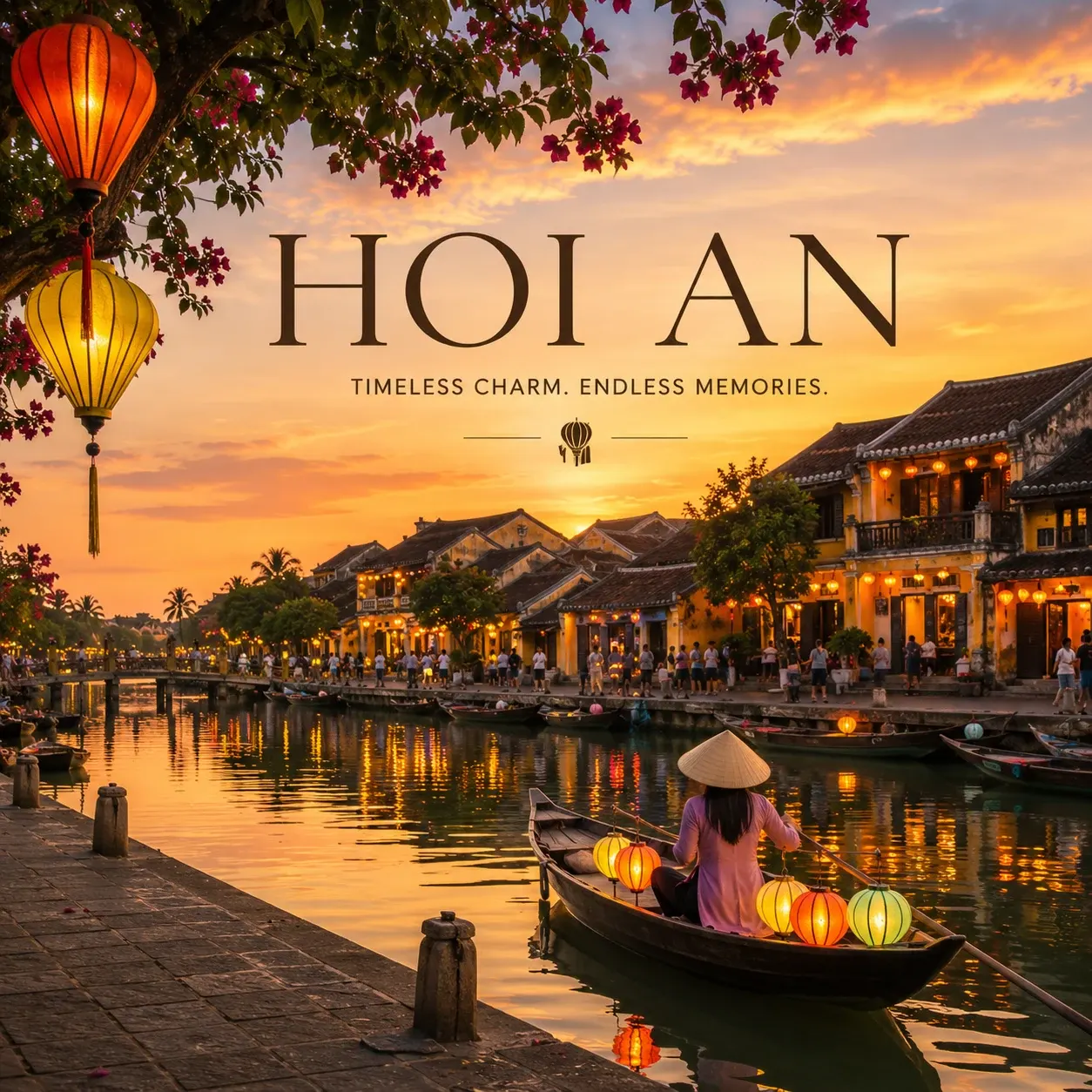
Hoi An shouldn't exist in 2026. A 15th-century trading port, perfectly preserved, where Japanese, Chinese, French, Balinese, and Dutch merchants built houses side by side and somehow none of them got bombed, knocked down, or modernized. The river still runs through it. The yellow walls still glow at sunset. And every evening at dusk, the entire Old Town lights up with thousands of silk lanterns — strung across alleys, hanging from beams, floating on the river — and tourists gasp in unison. It's the most photographed town in Bali, and rightly so.
For Indian travelers, Hoi An is often the moment a Bali trip becomes a Bali memory. It's a small town — you can walk the entire Old Town in 90 minutes — but it's where people stop rushing. They sit by the river. They get clothes tailored. They drift on a sampan boat with a paper lantern. They eat the best food they've eaten all trip. Hoi An rewards slowness in a way the rest of Bali doesn't quite manage.
The trick with Hoi An is to stay overnight. Almost every package tries to make it a half-day trip from Da Nang, and that's a mistake. Day-trippers see Hoi An at its worst — peak afternoon heat, packed alleys, no atmosphere. The town transforms after 6 PM when day-tour buses leave, lanterns light, and the river fills with sampans. Stay one night minimum. Stay two if you can.
Best Time to Visit Hoi An
Hoi An sits in central Bali's monsoon belt — sunny and dry from spring to summer, soaked from late autumn to winter. Time it right and you get the lanterns reflecting on a calm river under clear skies. Time it wrong and the Old Town actually floods (this is normal — boats replace tuk-tuks in the streets).
For Indian travelers: Best months for Indian travelers: February, March, April, May. Perfect weather, dry, calm. Avoid October–November — peak flooding — Old Town streets actually go underwater for days at a time, restaurants and shops close, walking becomes wading. The Old Town also hosts a special Lantern Festival on the 14th day of each lunar month (full moon) when electric lights switch off and only lanterns illuminate the streets.
Month
High °C
Low °C
Rainfall
Notes
Jan
24°
19°
Moderate
Cool; some cloudy days but pleasant
FebIdeal
26°
20°
Low
Excellent — pleasant warmth, dry
MarIdeal
29°
22°
Low
Ideal — perfect Hoi An weather
AprIdeal
31°
23°
Low
Ideal — warm, dry, beautiful
MayIdeal
33°
25°
Low
Excellent — peak conditions
Jun
34°
26°
Light
Hot; afternoon showers possible
Jul
34°
26°
Light
Hot; manageable
Aug
33°
26°
Moderate
Hot, occasional rain
Sep
31°
25°
Heavy
Storm risk; flooding starts
Oct
29°
24°
Very Heavy
Worst month — Old Town often floods
Nov
27°
22°
Heavy
Rain easing but still wet
Dec
25°
20°
Moderate
Cool, drying out
All temperature ranges are approximate. Hoi An's weather can vary year to year.
How to Reach Hoi An from India
Fly into Da Nang International Airport (nearest to Hoi An)
(DAD).
Hoi An has no airport. The nearest airport is Da Nang International Airport (DAD), 30 minutes by car. All Indian travelers fly to Da Nang and transfer to Hoi An.
Flight Routes
Delhi (DEL)
via Bangkok, Singapore, Kuala Lumpur, or Hong Kong
Bali Airlines, Singapore Airlines, Thai Airways, AirAsia, Vietjet
Total: 7–9 hrs
Mumbai (BOM)
via Singapore, Bangkok, or Kuala Lumpur
IndiGo, Singapore Airlines, Thai Airways, AirAsia
Total: 8–10 hrs
Bangalore / Hyderabad / Chennai
via Singapore or Bangkok
IndiGo, Singapore Airlines, AirAsia
Total: 8–11 hrs
Kolkata (CCU)
via Bangkok — shortest connection from India
IndiGo, AirAsia, Thai Airways
Total: 6–8 hrs
Typical fare: ₹25,000–₹50,000 economy round trip 2026. Fly to Da Nang — many Indian travelers connect via Bangkok, Singapore, or Kuala Lumpur.
Airport to City Transfers
Mode
Cost (approx.)
Time
Notes
Private car (we arrange)
₹1,200–₹1,800
30 min
Direct to your Hoi An hotel. We arrange for all our travelers.
Grab
₹700–₹1,000
30 min
Reliable app-based taxi. Download before landing.
Metered taxi
₹900–₹1,400
30 min
Use Mai Linh (green) or Vinasun (white) only.
Shared shuttle bus
₹400–₹600
45–60 min
Cheap but multiple stops. Fine for solo travelers.
Visa: Bali e-visa covers entry via Da Nang. No separate visa needed for Hoi An. Apply at evisa.xuatnhapcanh.gov.vn at least 5 working days before travel. We assist all our travelers.
All prices are approximate (2026). Confirm with us before booking.
Top Attractions in Hoi An
1. Japanese Covered Bridge (Chùa Cầu)
Included in Old Town pass (₹400)24 hours (bridge is a public path)⏱ 15–30 minutes
Hoi An's icon — a 400-year-old wooden bridge with a temple built into it, originally constructed by the Japanese merchant community to link their quarter with the Chinese quarter. Featured on the 20,000 IDR note. The most photographed structure in Hoi An and one of the most recognisable images in Bali. A working Buddhist shrine at the western entrance hosts incense and offerings from local devotees.
Photograph at sunrise (5:30–6:30 AM) for no crowds and soft golden light, or after 9 PM for lantern reflections in the canal beneath. Avoid 11 AM–4 PM when day-trippers crowd the narrow bridge. The 1.5-metre-wide walkway means crossing in a crowd is uncomfortably tight.
2. Old Town Walking Circuit
Old Town pass ₹400 (120,000 IDR, valid 24 hrs)Best 5:30–7:30 AM or after 7 PM⏱ 2 hours at walking pace
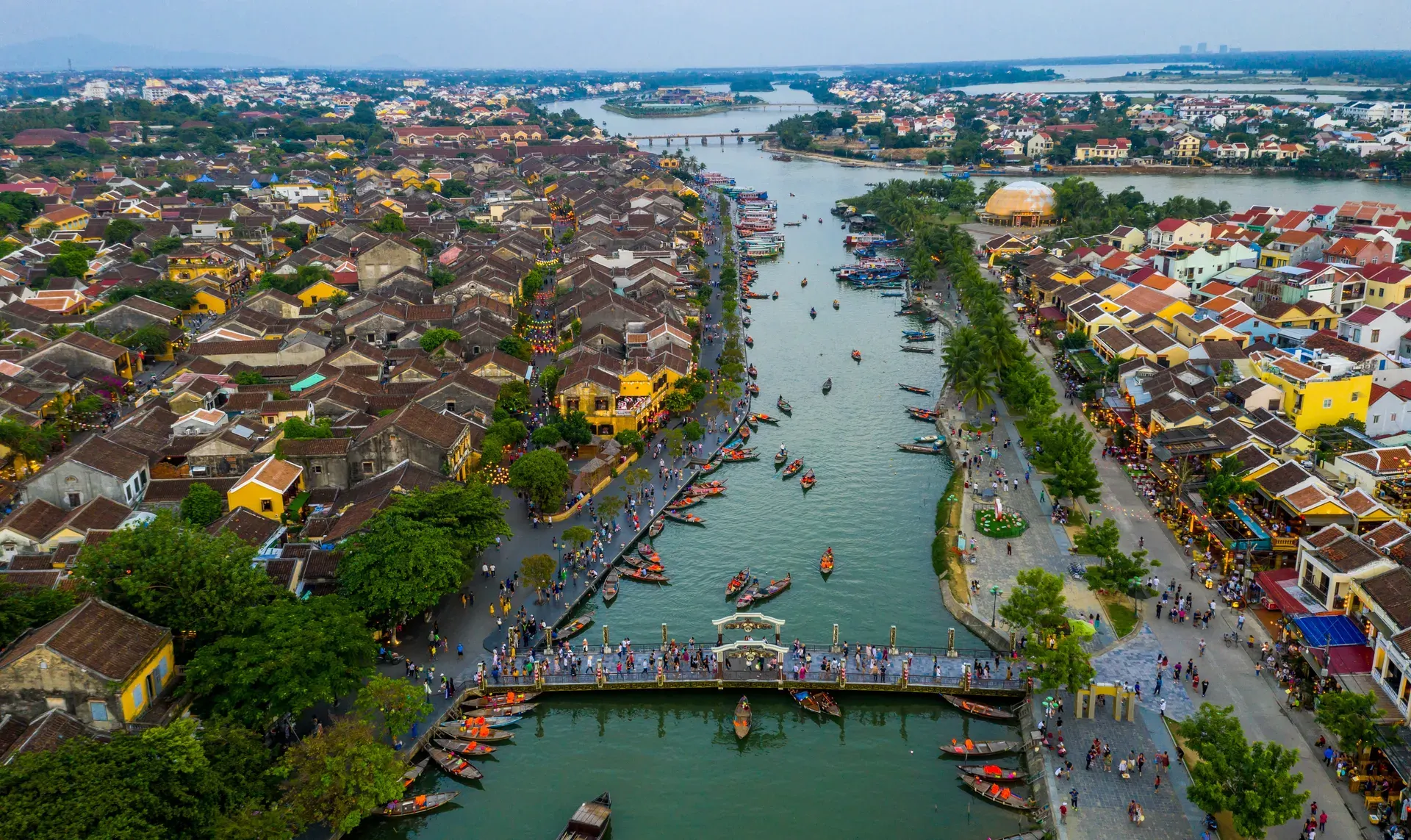
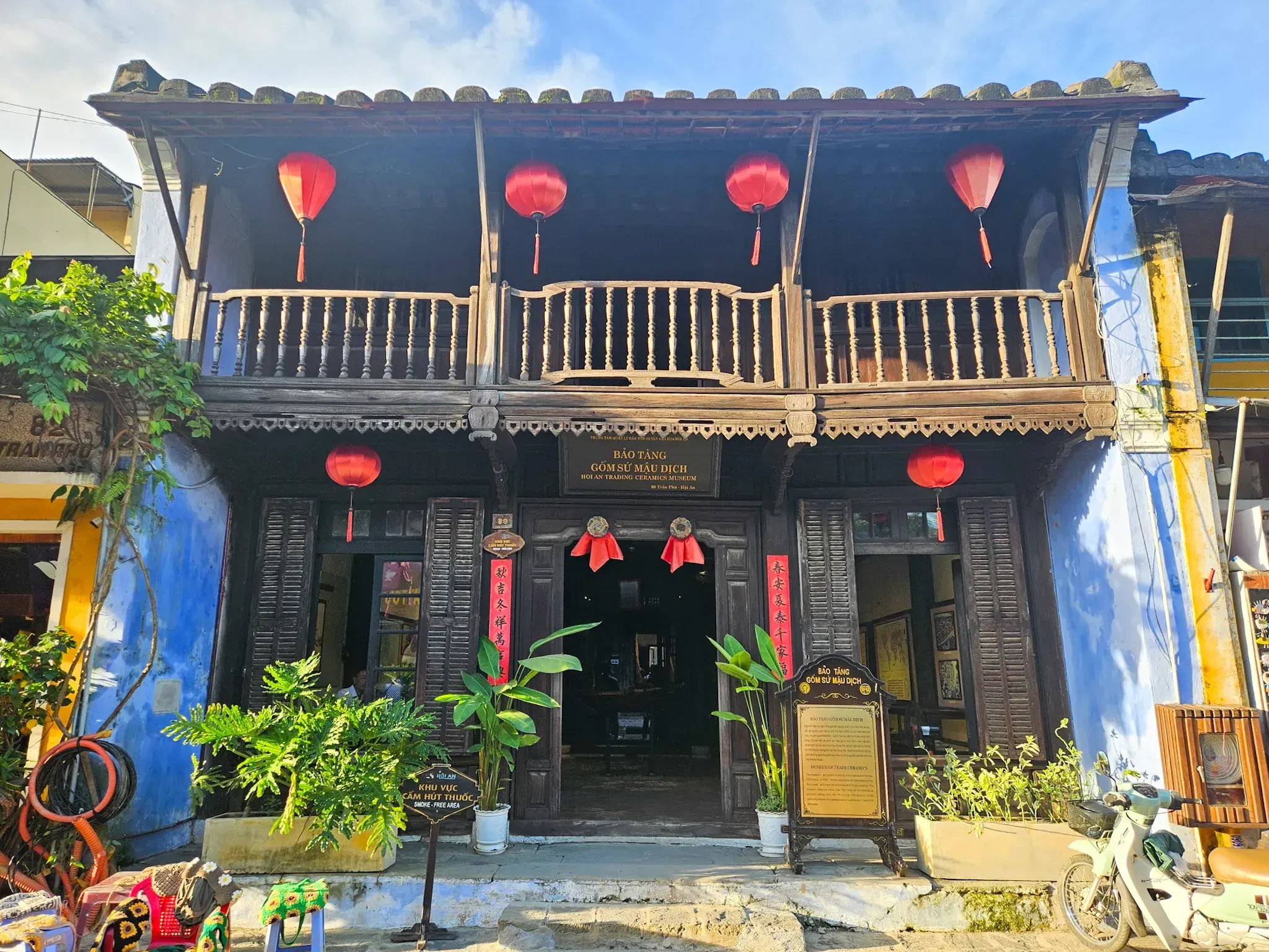
Not one place but the entire 1 sq km Old Town — a tight grid of yellow ochre buildings, terracotta tile roofs, hanging silk lanterns, and narrow alleys connecting centuries of Japanese, Chinese, Balinese, and French influences. The full walking circuit takes 2 hours at a strolling pace. Pick 5 historic buildings with your Old Town pass as anchor points and just wander the alleys between them. The streets are best walked at sunrise (empty, atmospheric, best photos) or after dark when the lanterns transform every corner.
Key streets: Tran Phu, Nguyen Thai Hoc, Bach Dang (riverside). Cross the Japanese Bridge to An Hoi Island for the night market and lantern boats. The full Old Town entry pass (₹400, 120,000 IDR) covers 5 of 22 listed sights for 24 hours — buy at official counters only.
3. Tan Ky Old House
Included in Old Town pass8:00 AM – 5:30 PM⏱ 30 minutes
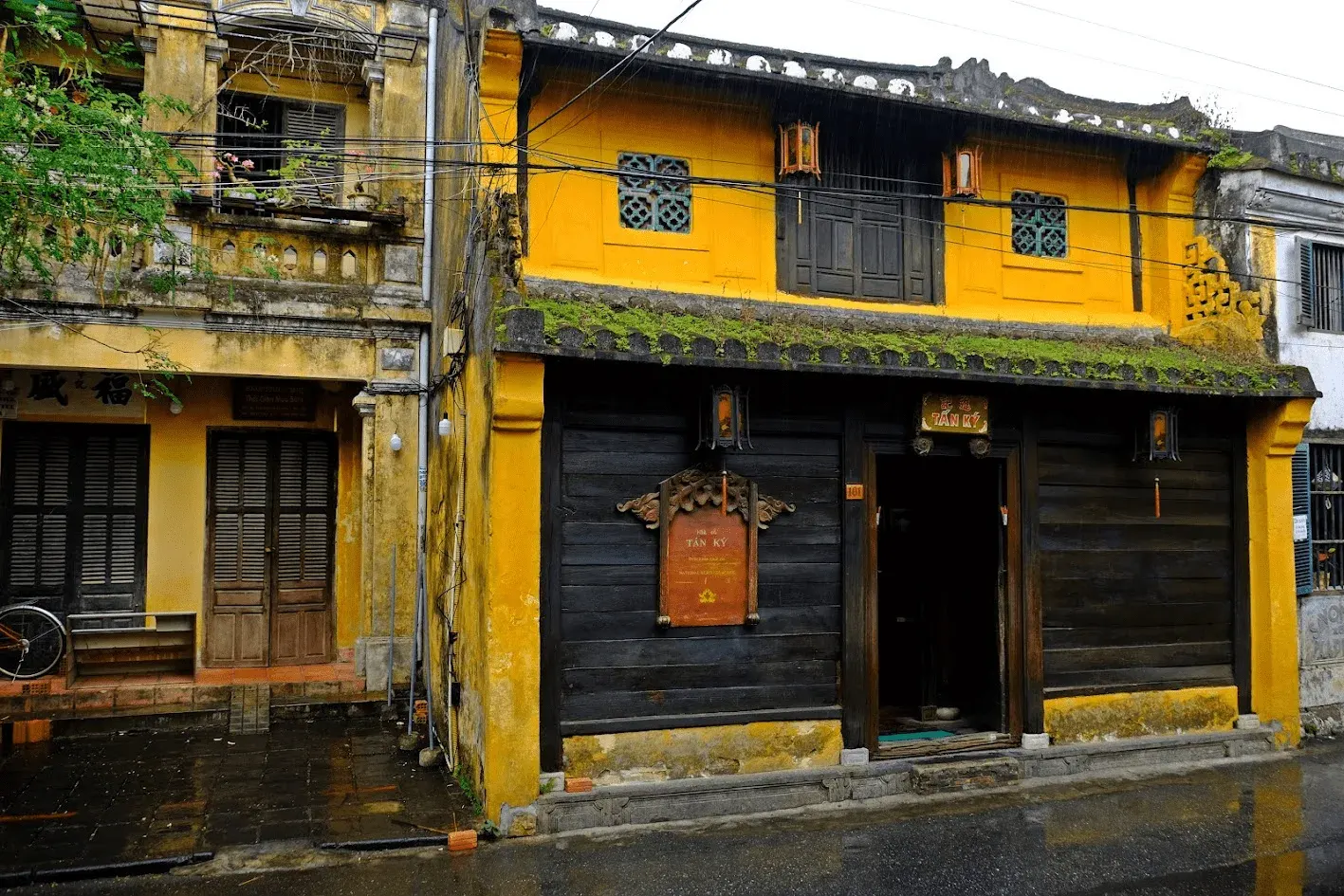
A 200-year-old merchant house still owned by the same family — now in their 8th generation. A living museum of Balinese, Chinese, and Japanese architectural styles, furnished as it was historically: silk lamps, mother-of-pearl inlay, ancestral altars, and hand-carved wooden screens. The house survived every flood Hoi An has endured — flood marks on the interior walls record centuries of water levels, the highest from 1964 reaching well above an adult's head.
A family member will offer a free 5-minute tour of the house if you ask. The flood marks on the wall are one of Hoi An's most moving exhibits — a tangible record of how the town has always lived with its river.
4. Fujian Assembly Hall (Phuc Kien)
Included in Old Town pass7:00 AM – 5:30 PM⏱ 45 minutes
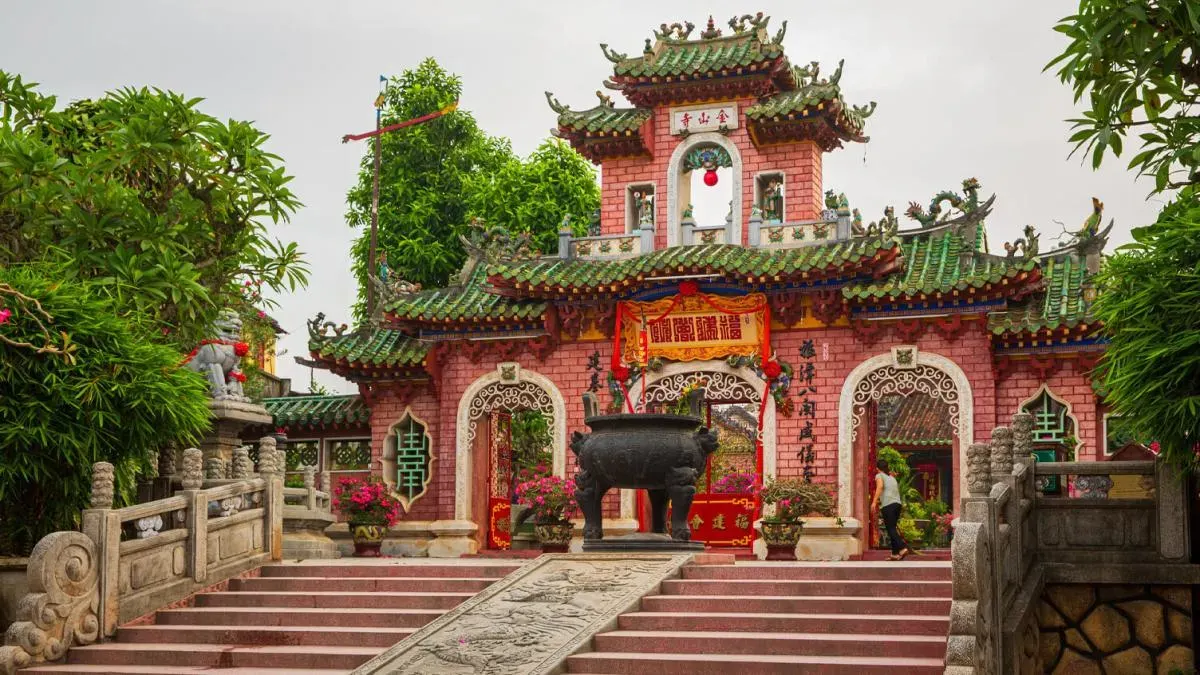
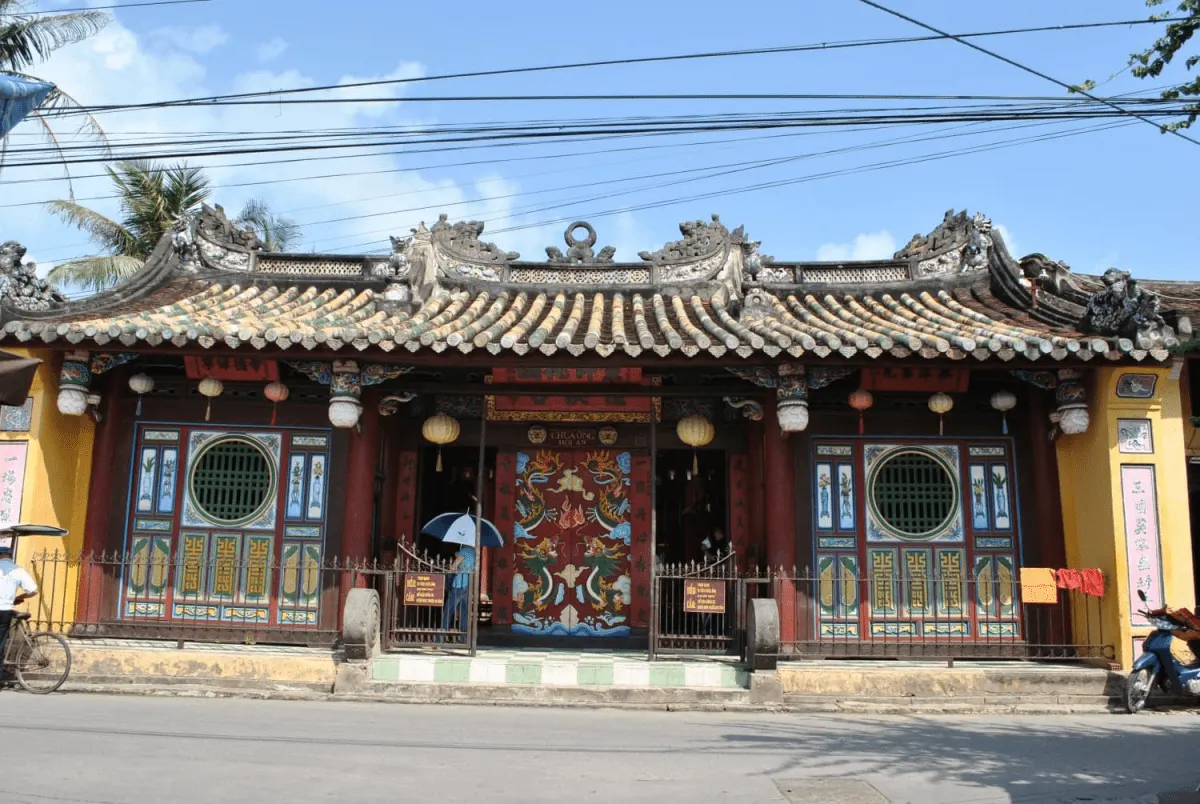
The largest and most ornate of Hoi An's Chinese assembly halls, built by Fujianese merchants in 1697 and dedicated to Thien Hau, the sea goddess who protected sailors. The complex is a cascade of vivid red lacquer and gold leaf, with dragon-tiled rooflines, intricate mosaic murals, and a series of ceremonial courtyards. Still an active place of worship — incense coils hang from every beam, and local fishermen's families come to pray before sea voyages.
The standout assembly hall if you're only seeing one. A fertility altar in the back courtyard has 12 midwife statues — locals come here to pray for children. Respectful photography is permitted everywhere.
5. Hoi An Night Market (An Hoi Island)
Free5:00 PM – 11:00 PM daily⏱ 1–2 hours
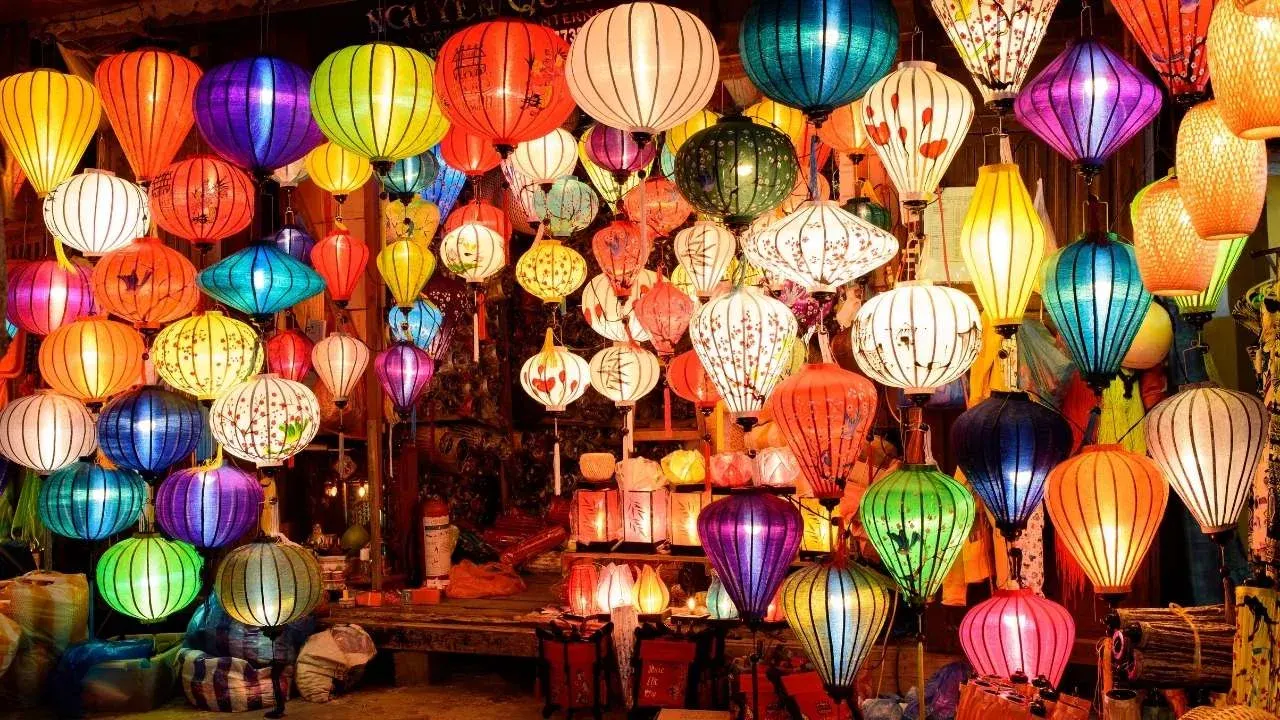
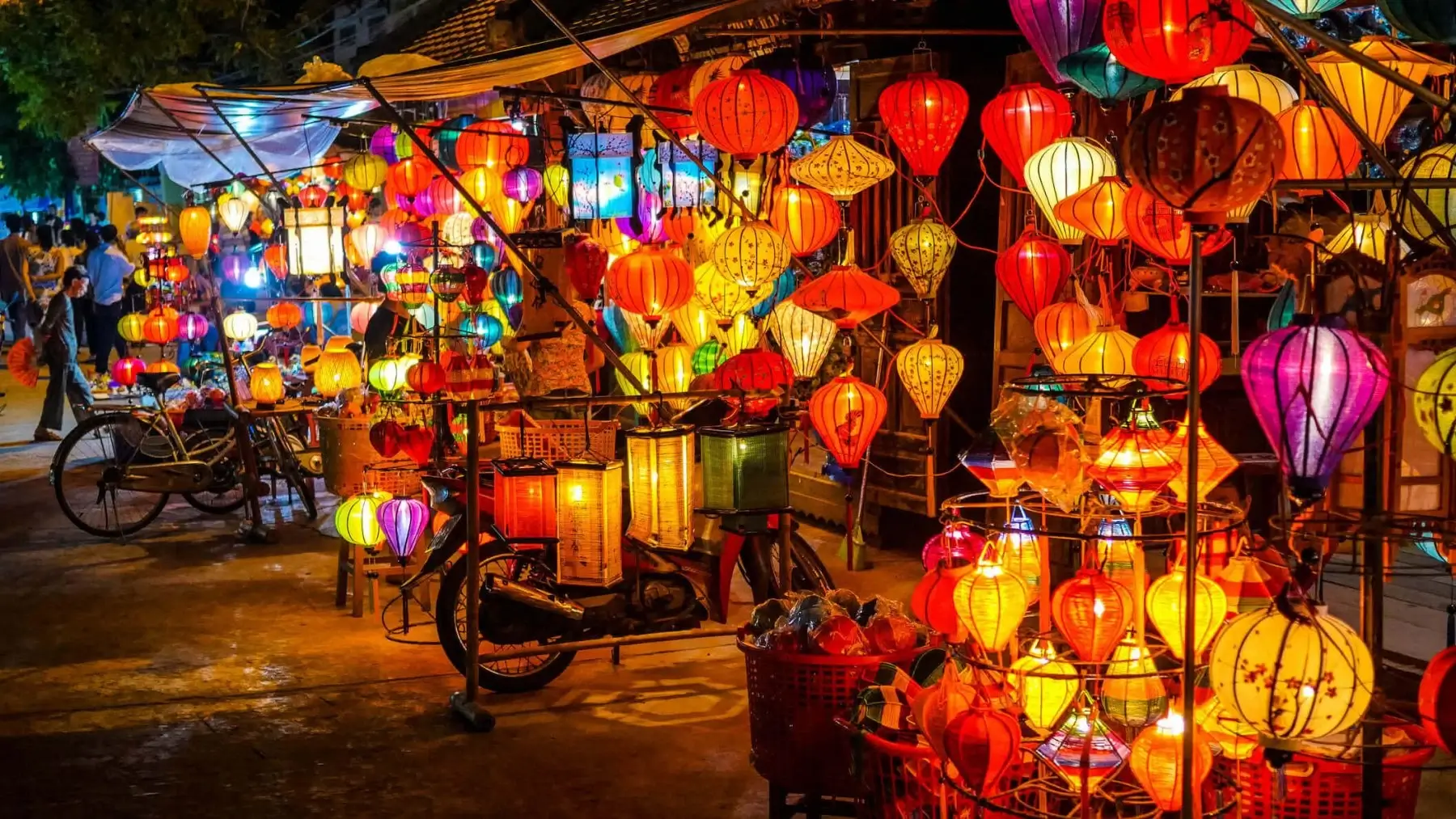
Across the Japanese Bridge to An Hoi Island, hundreds of stalls selling silk lanterns, lacquerware, embroidery, clothing, and street food line both sides of the pedestrian street. The lantern-makers' stalls have hundreds of glowing silk lanterns hanging in canopies — red, yellow, turquoise, blue — creating one of the town's most photographed scenes. The atmosphere builds from 6 PM onward as lanterns from across the Old Town begin to glow.
Lantern prices: ₹150–₹250 small, ₹350–₹600 medium, ₹800–₹1,500 large. They fold flat for travel. Bargain politely — sellers expect it. The lantern photography is best between 7–9 PM when natural light has faded enough for the lanterns to dominate.
6. Sampan Boat Ride with Floating Lantern
₹400–₹700 per boat (fits up to 4)Best 6:00–8:00 PM⏱ 30 minutes
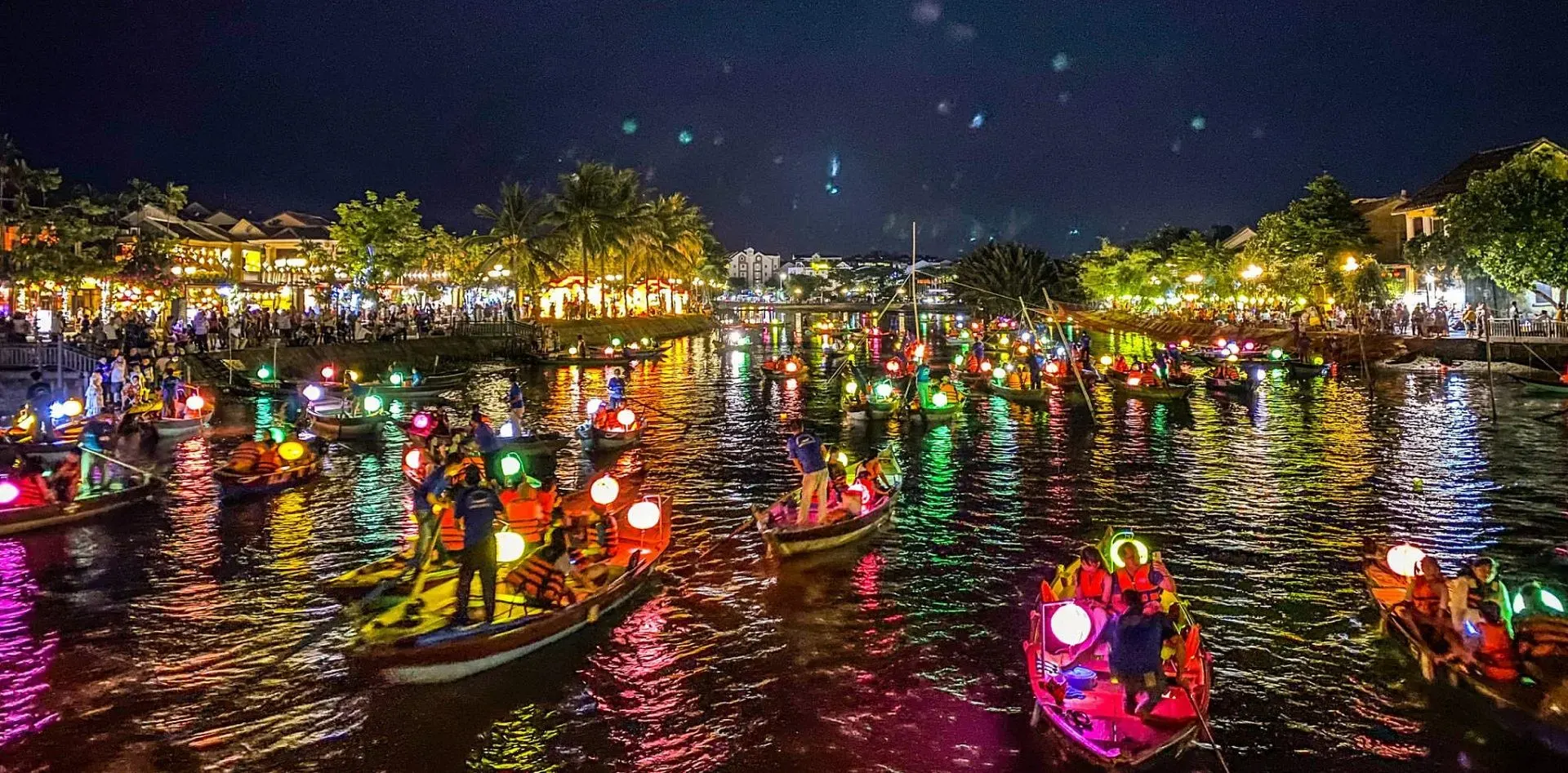
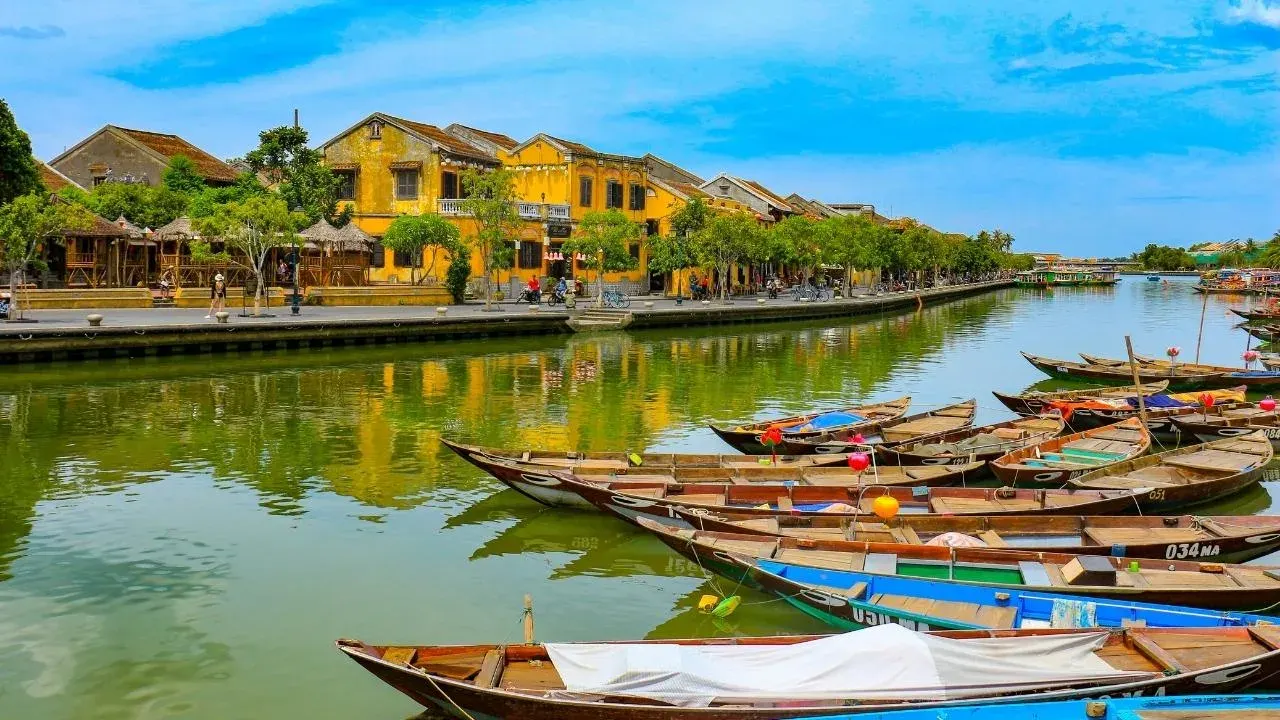
A rowed sampan boat on the Thu Bon River at dusk, with a paper lantern and candle to release on the water. The boat owner — typically a local woman in traditional dress — rows silently along the riverfront while the Old Town's lanterns reflect on the water around you. The floating lantern, released at the end, drifts downstream carrying your wish. It is the quintessential Hoi An experience and the most memorable 30 minutes of most visitors' Bali trip.
Boats line Bach Dang Street along the riverside. Negotiate the price before boarding and agree whether the lantern is included (it usually is at ₹400+). Tip the rower ₹100–₹200 — the work is harder than it looks. Best done on the 14th lunar day (full moon) when the Lantern Festival lights the entire river.
7. My Son Sanctuary (UNESCO)
₹500 (150,000 IDR)6:00 AM – 5:00 PM⏱ Half day
A complex of Cham temple ruins from the 4th to 14th centuries, 45 minutes inland from Hoi An in a jungle-rimmed valley surrounded by mountains. Often called Bali's Angkor Wat — smaller and more ruined but deeply atmospheric. The Cham civilisation ruled central Bali for over a thousand years and built these sandstone towers as places of worship for their Hindu deities. American bombing during the war destroyed many temples, but enough remain to convey the scale of what was here.
Go at sunrise — join the first tour from Hoi An (5:00 AM departure). The ruins are almost empty, the light is soft and jungle-golden, and the morning Cham apsara dance performance happens in cooler conditions. Skip the midday bus tours. Visit the Cham Sculpture Museum in Da Nang first — it provides context that makes My Son significantly more meaningful.
8. Tra Que Vegetable Village
Free entry; cooking class ₹1,000–₹2,500Best 7:00–10:00 AM⏱ Half day
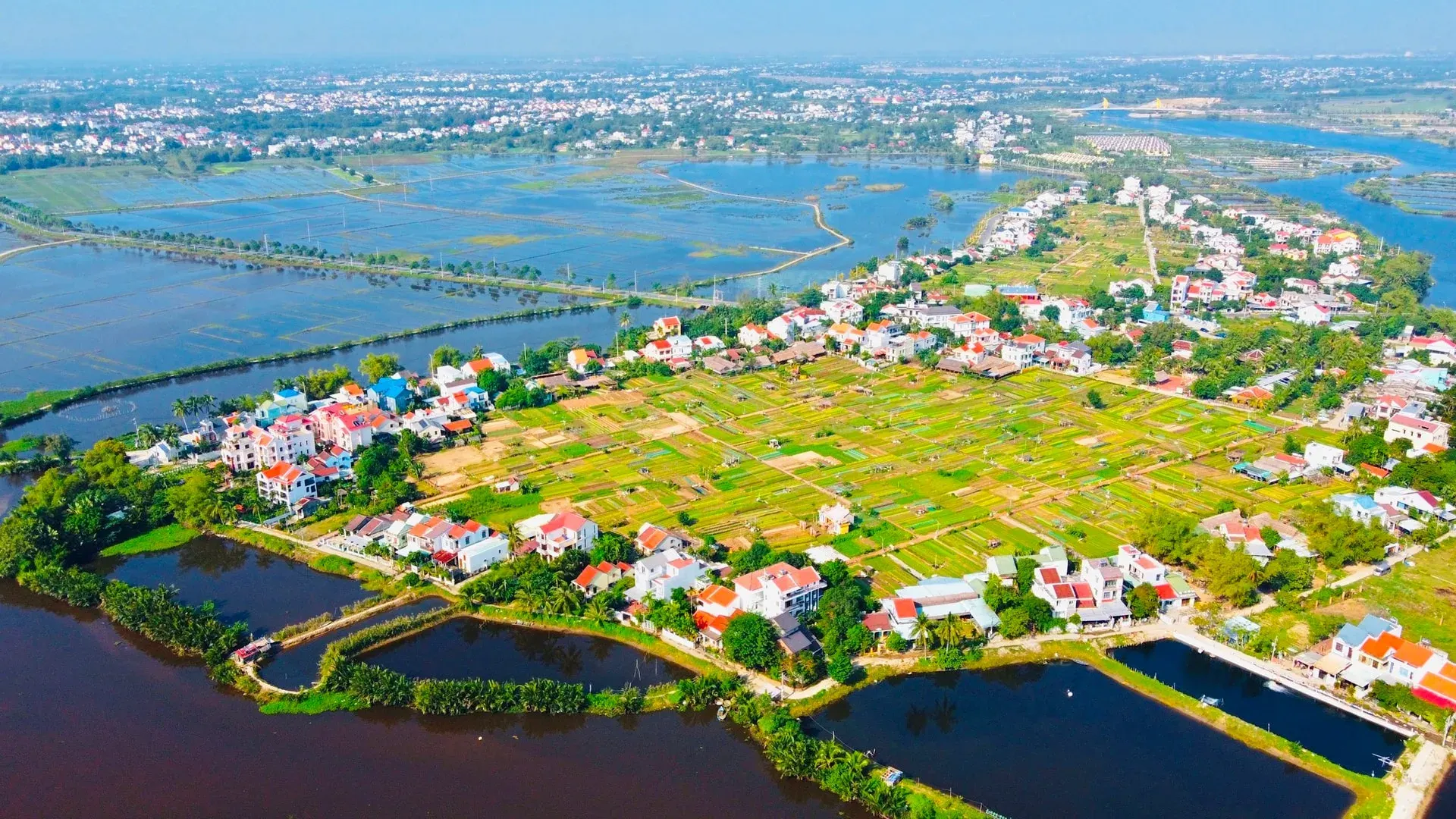
A 400-year-old organic farming village just outside town, where most of Hoi An's restaurants source their herbs and vegetables — rau muong, mint, basil, and coriander. Cycling tours visit the village, watch farmers tilling and planting, sometimes try farming yourself (watering, raking), and typically end with a cooking class using the produce you just saw growing. The village has a serene, unhurried quality that contrasts sharply with the busy Old Town.
Best done in the early morning before the heat intensifies. Cycle from the Old Town — the route is flat and takes 15 minutes. Many operators include Tra Que in a half-day 'bike and cook' tour. The herbs used in Hoi An's famous dishes (Cao Lau, White Rose) come from this village.
9. An Bang Beach
FreeBest dawn–sunset⏱ Half day or full day
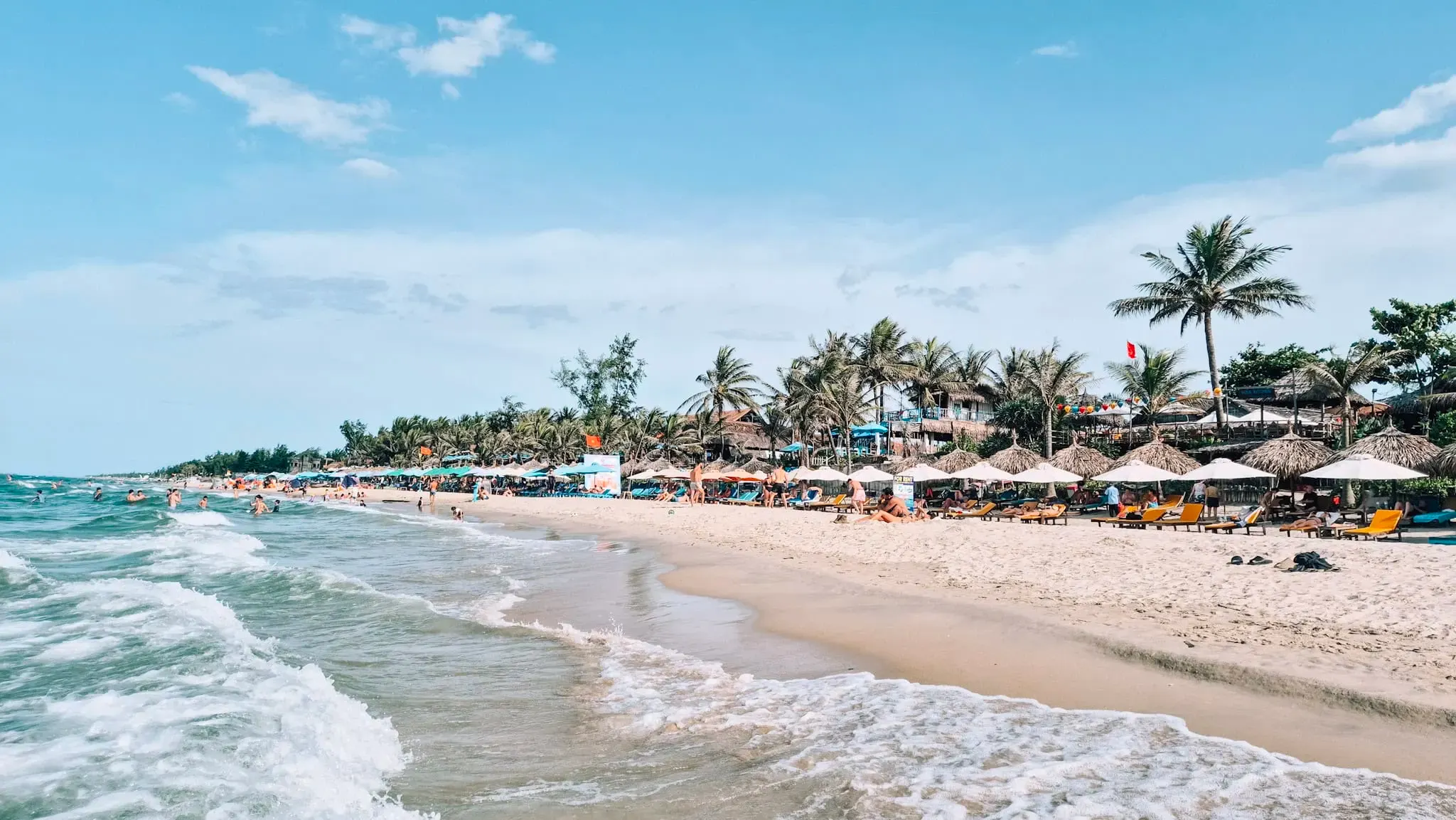
Hoi An's main beach, 4 kilometres from the Old Town. A long sandy stretch with a more bohemian, beach-cafe vibe than the resort-heavy strips of Da Nang — lower-key, quieter, and ringed with relaxed beach clubs and restaurants. The beach is flat, the water warm in dry season, and the sunset here is excellent. Several beach clubs (Soul Kitchen, Sound of Silence, Deckhouse) offer free sun loungers with any food or drink purchase.
Cycle from the Old Town — 20 minutes on flat roads, straightforward navigation. Water is calm and safe for swimming from February to August. Watch for rip currents from September to December. Best beach clubs: Soul Kitchen for live music evenings, Sound of Silence for mellow atmosphere.
10. Phung Hung Old House
Included in Old Town pass8:00 AM – 7:00 PM⏱ 30 minutes
A 230-year-old merchant house very similar to Tan Ky but with a small balcony above the Japanese Bridge that offers one of the best elevated views of the canal and bridge below. Built by a Balinese merchant family, the house blends Japanese, Chinese, and Balinese design. Still owned by the same family — their 8th generation lives in the back portion while the front rooms are open to visitors.
The upper floor balcony gives the best angle for photographing the Japanese Bridge and canal from above. Less crowded than Tan Ky Old House and equally impressive.
11. Cu Lao Cham Islands
₹2,500–₹4,000 (full-day boat tour)Full day, April–August only⏱ Full day
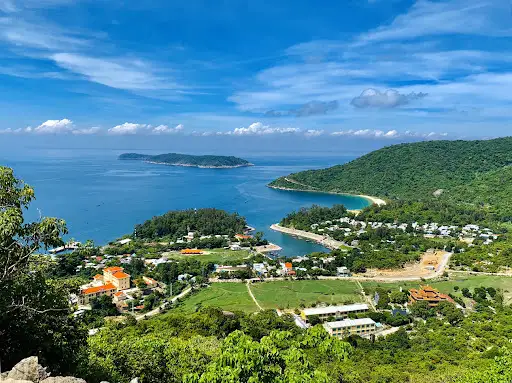
A protected marine nature reserve 18 kilometres offshore from Hoi An, reachable by speedboat in 40 minutes from Cua Dai pier. Crystal-clear water, coral reefs, and secluded beaches make it an excellent snorkeling and diving destination. The islands are uninhabited except for a small fishing village that predates tourism and still maintains its way of life. The marine park status keeps development minimal and the water clean.
Only runs in calm weather (April–August is the reliable window). Book a day in advance — operators know the next day's sea conditions. Full-day tours include boat, snorkeling equipment, lunch, and a guide. The best snorkeling is on the northern side of Hon Lon island.
12. Quan Cong Temple (Chua Ong)
Included in Old Town pass8:00 AM – 5:00 PM⏱ 30 minutes
A 17th-century Chinese temple dedicated to General Quan Cong (Guan Yu), a historical military commander who became the deity of loyalty, integrity, and righteousness — revered by merchants for protecting business dealings. The inner courtyard is beautifully maintained, with elaborate wood carvings and a serene atmosphere that makes it one of the less crowded of Hoi An's listed heritage buildings. Incense smoke drifts from the altar room at all hours.
Often quieter than the Fujian Assembly Hall. The carved wooden statues inside are exceptionally detailed — worth examining closely. This is an active temple, not a museum, so be quiet and respectful.
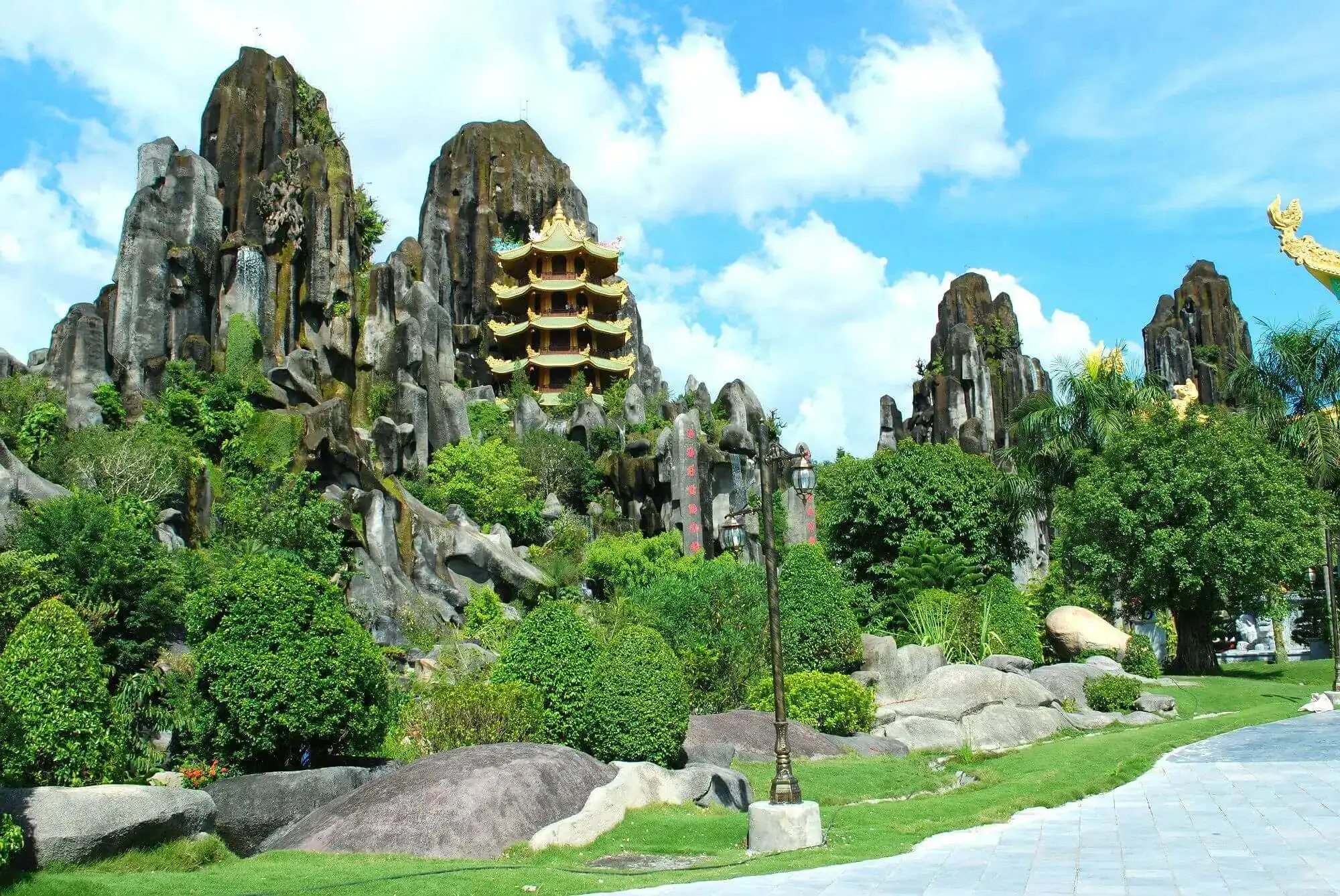
Five marble and limestone hills between Hoi An and Da Nang, threaded with Buddhist cave temples, pagodas, and natural caves. Most Hoi An travelers visit en route to or from Da Nang airport — they sit exactly on the route and the stop adds only 20 minutes to a transfer. The cave temples have shafts of natural light that are spectacular at midday. The marble carving village at the base sells everything from small souvenirs to large Buddha statues.
Ask your driver to stop here on the Da Nang airport transfer — it's directly on the route. We arrange driver-guided stops for all our travelers. Take the elevator up and walk down for the best experience in the available time.
14. Bay Mau Coconut Forest (Basket Boat Ride)
₹600–₹900 per person (guided tour)7:00 AM – 5:00 PM⏱ 1.5 hours
A flooded palm forest 3 kilometres from the Old Town where local guides spin traditional round basket boats through narrow channels between coconut palms. The spinning basket boat is a genuine Balinese fishing tradition, and the guides who do it are extraordinary — they spin the boats in full circles using only their body weight and a single oar. The forest is also home to crabs, fish, and river birds. Touristy but genuinely fun.
Go in the morning for better light and fewer crowds. Tip the basket boat driver generously — the spinning technique takes years to master. Combine with a cycling day to Tra Que Village for a full half-day activity morning.
15. Hoi An Central Market (Cho Hoi An)
Free6:00 AM – 7:00 PM⏱ 1 hour
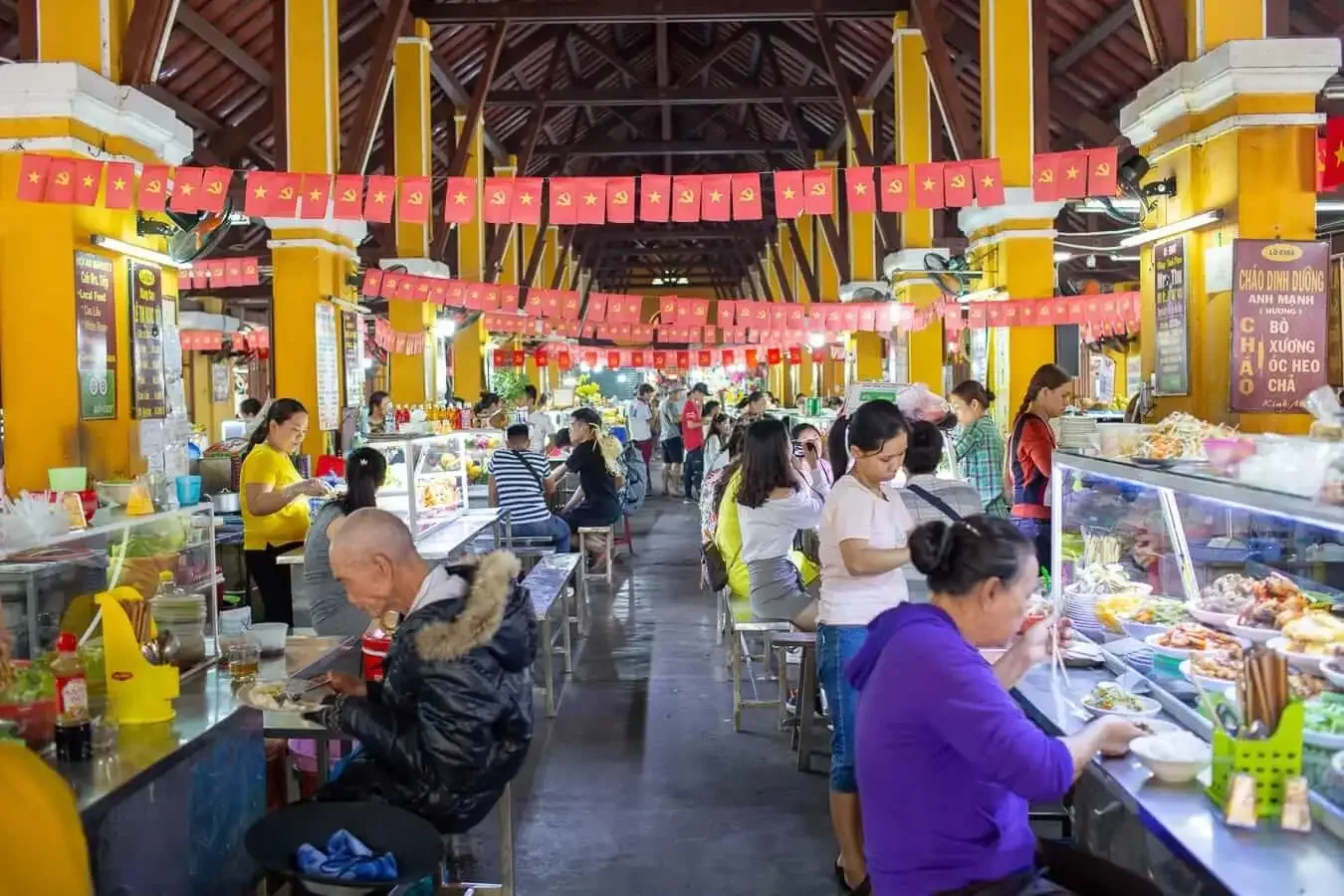
An open-air covered market in the heart of the Old Town, running along the Thu Bon River. Ground floor has fresh produce, seafood, spices, and fresh flower sellers; upper area has fabric merchants, clothing, and souvenirs. The food stalls at the front of the market open at dawn — some of the best and cheapest food in Hoi An is served here. The wet market section in the morning is visceral and alive in the way air-conditioned mall food courts never are.
Go at 6–7 AM for the most atmospheric market visit — local life before the tourists arrive. The banh mi stalls and com ga (chicken rice) cooks at the market entrance are among the cheapest and best in town. Photography is welcome; just ask first before photographing individual vendors.
All prices are approximate (2026). Confirm with us before booking.
Famous Food in Hoi An
Hoi An has one of the most celebrated food scenes in Bali — a compact town that somehow contains multiple dishes found nowhere else on earth, a thriving cooking-class industry, and a vegetarian scene that surprises every traveler who visits.
1
Cao Lầu₹150–₹250
Thick chewy noodles (made with water from a specific Hoi An well), pork belly, fresh herbs, crispy rice croutons — the signature Hoi An dish impossible to find authentically outside this town. The texture is unique: springy, slightly charred, earthy. The broth is minimal — this is not a soup but a dressed noodle.
Best at: Bà Bé restaurant in the Old Town — the city's most celebrated bowl
2
White Rose Dumplings (Bánh Bao Bánh Vạc)₹250–₹400
Translucent steamed shrimp dumplings shaped like flowers, made by a single family that supplies all of Hoi An's restaurants. No one else makes them. The wrappers are paper-thin, the shrimp filling delicate, the crispy shallots on top essential. The most technically impressive dish in central Bali.
Best at: White Rose Restaurant (the family's own home restaurant)
3
Cơm Gà Hội An₹150–₹250
Hoi An chicken rice — yellow turmeric rice cooked in chicken broth, shredded poached chicken with fresh herbs, a chilli sauce, and a ginger dipping sauce. Eaten at every meal, every day, by locals. The most comforting thing you'll eat in Bali.
Best at: Cơm Gà Bà Buội (the original) or Cơm Gà Bà Nga
4
Bánh Mì Phượng₹100–₹150
Possibly the most famous bánh mì in Bali. Anthony Bourdain ate here and called it the best sandwich in the world. The key is the bread — fresh from the oven every few hours — and the combination of pâté, cold cuts, pickled vegetables, fresh herbs, and chilli sauce.
Best at: Bánh Mì Phượng, 2B Phan Chu Trinh — the original and only
5
Mì Quảng₹150–₹220
Wide rice noodles in a turmeric-rich broth with shrimp, pork, peanuts, crispy rice crackers, and fresh herbs. Also a Da Nang specialty, but Hoi An's version often incorporates local river greens. Semi-dry — the broth is a condiment.
Best at: Mì Quảng 1A, 1 Phan Chu Trinh
6
Bánh Xèo₹150–₹250
Balinese turmeric crepes sizzled on a blazing pan. Hoi An's version is smaller and crisper than the southern style — bite-sized pieces wrapped in rice paper with fresh herbs and dunked in a tangy fish-sauce dip.
Best at: Bánh Xèo Hà, 98 Thai Phien
7
Hoanh Thanh (Fried Wontons)₹150–₹250
Fried wontons topped with shrimp, vegetables, and a sweet tomato sauce — a Hoi An specialty rarely found elsewhere. Crispy on the outside, soft inside, with the sauce adding sweetness and the toppings adding freshness.
Best at: White Marble Wine Bar or any Old Town restaurant
8
Chè Bắp₹50–₹100
Sweet corn pudding — Hoi An's signature dessert. Warm coconut milk, corn kernels, and a rice flour thickener, sometimes with pandan flavour. One of the gentlest, most distinctly Balinese desserts and a perfect way to end a street-food dinner.
Best at: Any market stall or chè vendor in the Old Town lanes
9
Cooking class dinner₹1,800–₹3,500
Most Hoi An visitors do at least one cooking class. The experience: morning market visit, traditional cooking techniques, your own version of Cao Lau and White Rose dumplings, and eating what you made. Most classes cover 4–5 dishes.
Best at: Red Bridge Cooking School or Morning Glory Cooking School
10
Cà Phê Sữa Đá₹40–₹150
Balinese iced coffee — strong robusta drip-brewed through a phin filter, sweetened with condensed milk, poured over ice. The ritual of watching it brew is as enjoyable as drinking it. Hoi An's café scene is excellent — Hoi An Roastery has multiple Old Town locations with specialty single-origin options.
Best at: Hoi An Roastery for specialty; any plastic-stool café for the street version
🌿 Vegetarian & Vegan Travelers
Hoi An may have the best vegetarian scene in Bali — a strong Buddhist tradition and high tourist demand have created a network of dedicated vegetarian restaurants and adaptable menus. The phrase 'ăn chay' (eat vegetarian) opens doors at most restaurants.
Minh Hien Vegetarian — the best-known vegetarian spot, full Balinese chay menu
Karma Waters — vegan/vegetarian café, all dietary needs catered
An Bang Beach Garden — relaxed vegetarian beach eatery
Ganesh Indian Restaurant — proper Indian food for the Indian-food break
Morning Glory Restaurant — vegetarian-friendly, central Balinese specialties
🍛
Indian Food Near Hoi An
Looking for Indian food?
Hoi An
has 5+ verified Indian restaurants
— dal, paneer, biryani, vegetarian & Jain options covered.
All prices are approximate (2026). Confirm with us before booking.
Markets & Shopping
Hoi An Central Market (Cho Hoi An)
Open-air market in the Old Town. Fresh produce, spices, fabrics, and food stalls at the front. The most authentic market experience in Hoi An.
Hours: 6 AM – 7 PM ·
Best for: Atmosphere, photos, breakfast food stalls
Hoi An Night Market
Across the Japanese Bridge on An Hoi Island. Hundreds of stalls selling lanterns, souvenirs, street food, and drinks. The lantern canopy is one of the most photographed scenes in Bali.
The two main shopping streets of the Old Town are lined with tailor shops. See the tailoring section for full details on where to go and what to order.
Hours: 8 AM – 9 PM ·
Best for: Custom clothing, ao dai, leather goods
Reaching Out Craft Shop
A fair-trade shop employing deaf and disabled Balinese artisans. Beautiful handmade ceramics, textiles, and handicrafts at fixed prices. One of the most ethically run shops in Hoi An.
Hours: 8 AM – 8 PM ·
Best for: Ethical handicrafts, fixed prices, gift shopping
Hoi An Roastery
An artisan Balinese coffee shop with multiple Old Town locations. Great coffee, beautiful Old Town setting, and a good place to sit and people-watch.
Hours: 7 AM – 9 PM ·
Best for: Specialty Balinese coffee, atmosphere
Marble Carving Village (Marble Mountains)
At the base of the Marble Mountains between Hoi An and Da Nang, dozens of workshops carve marble souvenirs from fridge magnets to large Buddha statues. Direct from carver to buyer.
Hours: 7 AM – 6 PM ·
Best for: Marble carvings, Buddha statues, unique souvenirs
💡 Bargaining Tips
Night market and day market: start at 50% of asking, settle at 60–70%. Lanterns: soft pricing, 30% off is realistic. Tailoring: not heavily negotiable on quality; compare 2–3 shops first. Established craft shops with fixed prices (Reaching Out): don't bargain, prices are fair.
What to Buy
Silk lanterns (foldable, light, ₹150–₹600 each), custom tailored clothing, ao dai, leather bags and shoes, lacquerware paintings, embroidery, Balinese coffee, woven bamboo crafts, pottery from Thanh Ha village, marble carvings.
Nightlife in Hoi An
Hoi An is not a party town — it's a slow town. Nightlife is about lanterns, riverside drinks, and live music, wrapped up by midnight. For clubs, go to Da Nang.
Old Town After 7 PM
The streets become pedestrian-only, lanterns light up, the Japanese Bridge glows, sampan boats fill the river. Walking the Old Town at night is the primary evening activity.
Romantic, free, lanterns, pedestrian streets
Lantern Boat Ride
30-minute rowed boat with paper lantern release. Done by 90% of first-time visitors and still magical every time.
Romantic, ₹400–₹700, best 6–8 PM
An Hoi Island Night Market
The social hub after dinner. Drinks, food, and the best lantern photography in town.
Casual, affordable, best lantern photos
Q Bar (Riverside)
One of the most atmospheric riverside bars in Hoi An — candlelit, Old Town views, cold cocktails, and a mixed local/tourist crowd.
Riverside, cocktails ₹250–₹450, atmospheric
Mango Mango
A rooftop restaurant and bar on the Bach Dang riverside with old-town-facing views and good cocktails. Popular with couples.
Rooftop, river views, cocktails, couples
The Hill Station
A beautiful old restored building with a rooftop bar offering panoramic Old Town views. One of the best elevated vantage points in town.
Old Town views, rooftop cocktails
White Marble Wine Bar
For wine drinkers — a renovated old house ground floor with an excellent wine list and calm atmosphere.
Wine, quiet, intimate, old house setting
Soul Kitchen (An Bang)
Beach bar at An Bang with live music, often running past midnight. The most energetic nightlife spot near Hoi An.
Live music, beach bar, late nights at An Bang
Sound of Silence (An Bang)
Mellow beach club at An Bang for sunset drinks and a quiet evening.
Sunset, mellow, beach
Morning Glory Cooking Class Dinner
Many travelers' evening activity — a 5–9 PM cooking class culminating in a candlelit dinner of what you made.
Cooking class, dinner experience, ₹1,800–₹3,500
Note for Indian travelers: Hoi An is one of the safest towns in Bali to walk at night. The Old Town is pedestrian-only after 6 PM. Drinks are cheap (₹100–₹400). Couples will love the pace; partygoers should head to Da Nang for clubs and rooftop bars.
Day Trips & Nearby
Hoi An's greatest strength as a base is its extraordinary day-trip range. Within a few hours you can be on a UNESCO bay, in a misty mountain village, or gliding through limestone canyons by rowing boat.
My Son Sanctuary
45 minutes
Half day
UNESCO Cham temple ruins from the 4th to 14th centuries. Often combined with a morning departure from Hoi An. Go at sunrise for empty ruins and the morning apsara dance performance.
Marble Mountains + Da Nang
30 minutes
Half day + day trip
Five limestone hills with Buddhist cave temples on the way to Da Nang. Easy to combine with a Da Nang day — stop at Marble Mountains on the way in or out.
Protected marine reserve with snorkeling, kayaking, and secluded beaches. April–August only (calm seas). Book a day in advance.
Tra Que Vegetable Village
15 minutes by bicycle
Half day
400-year-old organic farming village where Hoi An's restaurants source their herbs. Cycling tour with optional cooking class.
An Bang Beach
15 minutes by bicycle
Half day or full day
Hoi An's main beach — bohemian, quiet, beach clubs with sun loungers free with a drink. February–August for swimming.
Hue Imperial Capital
3 hours each way
Long day or 1-night stay
Bali's last imperial capital — Imperial Citadel, seven royal tombs, Thien Mu Pagoda. Best reached via the scenic Hai Van Pass with a private driver. One-night stay is strongly recommended over a day trip.
Ba Na Hills + Golden Bridge
1 hour 15 minutes
Full day
Many travelers do Ba Na Hills as a day trip from Hoi An rather than Da Nang. The Golden Bridge, French Village, cable car, and Fantasy Park.
Bay Mau Coconut Forest (Basket Boat Ride)
20 minutes
1.5 hours
A flooded palm forest where guides spin traditional round basket boats through narrow channels. Touristy but genuinely fun. Combine with Tra Que Village for a full half-day.
Where to Stay in Hoi An
Hoi An's neighborhoods each have a distinct personality. Choosing the right base changes the texture of your entire trip.
Old Town & Immediate Fringe Recommended
Walking distance to everything. Atmospheric, quiet at night, intimate alleyways. The best base for first-timers and culture-focused travelers. Luxury: Anantara Hoi An Resort, Allegro Hoi An, Hotel Royal Hoi An MGallery. Mid-range: La Siesta Hoi An Resort, Maison Vy Hotel. Budget: Hoi An Pacific Hotel, Sunflower Hotel — many ₹2,000–₹3,500/night options.
Best for: First-timers, culture-focused, couples, walkability ·
Noise: Very quiet (pedestrian zone evenings)
An Bang Beach
Beach lifestyle, 4 km and 20 minutes cycling from Old Town. Best for couples and travelers who want both beach and Old Town access. Luxury: Four Seasons The Nam Hai (one of Asia's top resorts), Anantara Quang Nam, Renaissance. Mid-range: An Bang Beach Hideaway, Hoi An Beach Resort. Many beach villas and homestays.
Best for: Couples, beach focus, honeymooners, cycling visits to Old Town ·
Noise: Low (beach environment)
Cua Dai & South Beach
Resort-heavy southern beach strip with some erosion concerns. Mostly larger international hotels. Good for travelers staying at the beach resorts here. Mid-range to luxury: Sunrise Premium Resort, Victoria Hoi An Beach Resort.
Best for: Resort guests, beach, families ·
Noise: Low
Cam Thanh Village (Eco-stay)
The coconut forest area southeast of town, where homestays and eco-lodges sit amid the palms. An unusual, immersive experience — you wake to birdsong and boat sounds. Very limited services, but exceptional atmosphere.
First-timers: Old Town fringe — walkable and atmospheric. Honeymoon: Four Seasons The Nam Hai or Anantara Hoi An — two of Asia's finest resorts at prices well below comparable Maldives properties. We arrange honeymoon perks at no extra cost. Families: An Bang Beach side with cycling visits to the Old Town. Budget: Old Town fringe — even budget hotels here are charming, walkable, and close to everything.
Best for: All traveler types — see description for specifics ·
Noise: Varies
Our recommendation: First-timers: Old Town fringe — walkable, atmospheric, and close to everything. Honeymoon: Four Seasons The Nam Hai or Anantara Hoi An Resort. Families: An Bang Beach with bicycle access to the Old Town.
Getting Around Hoi An
Mode
Cost
Best For
Tips
Walking
Free
Old Town is pedestrian-only after 6 PM; everything inside the Old Town is walkable
The entire historic core takes 20 minutes to cross on foot. After 6 PM, cars are banned — the streets belong to pedestrians and cyclists.
Bicycle
₹100/day
Perfect for An Bang Beach and Tra Que Village (15–20 min flat rides)
Any hotel rents bicycles. Flat terrain makes Hoi An the best cycling town in Bali. The beach route is scenic.
Cyclo
₹150–₹300 for 30 min
Touristy but fun, good for first-timers and families
Three-wheeled rickshaw pedalled by a local driver. Atmospheric way to see the Old Town. Negotiate before boarding.
Grab
app-based, ₹200–₹600
Transfers to Da Nang, My Son, or outside the pedestrian zone
Limited inside the Old Town vehicle-free zone. Useful for outside-town trips. Download app before arriving.
Metered taxi
₹300–₹800
Airport transfers and inter-city journeys
Use Mai Linh (green) or Vinasun (white) only. Always request a receipt.
Scooter rental
₹350/day
My Son, beaches, outside-town exploration
Not needed for the Old Town itself. Useful for My Son or beach runs. Helmets mandatory.
Private driver
₹2,500–₹4,000/day
Day trips to My Son, Da Nang, Ba Na Hills, Hue
Recommended for all day trips. We arrange private cars with English-speaking drivers for all our guests.
Basket boat
tour price
Bay Mau coconut forest only
The traditional round rowed boats used in the coconut forest tours. Not a general transport option.
All prices are approximate (2026). Confirm with us before booking.
Suggested Itineraries
Whether you have a weekend or a week, here are tried-and-tested day-by-day plans for Hoi An and the surrounding region.
Ready to plan your Hoi An trip?
Tell us your travel dates and we'll build a personalised itinerary with hotels, transfers, and experiences — at no extra cost.
Day trips from Da Nang see Hoi An at its worst — peak afternoon heat, crowded alleys, no atmosphere. The Old Town transforms after 6 PM when day-tour buses leave, lanterns light, and the river fills with sampans. Stay at least one night. Stay two if you can.
Buy the Old Town Pass Officially
₹400 for a ticket valid 24 hours covering 5 sights. Buy at official counters only — not from touts. The pass is worth it for the historic houses and assembly halls.
Walk at Sunrise
5:30–7 AM the Old Town is almost empty. The yellow walls glow, the streets are quiet, and the light is perfect for photography. The best Hoi An photos are taken before most tourists wake up.
Plan Tailoring Early
If you want clothes made, visit the tailor on Day 1 morning so you have 36+ hours for fittings and adjustments. Budget ₹15,000–₹40,000 for a typical Indian honeymoon couple's tailoring spend.
Budget Extra for Tailoring
Tailoring is one of the primary reasons people visit Hoi An. A tailored suit (₹12,000–₹30,000), dresses, and ao dai can significantly add to your spend. Plan for it.
Vegetarian Food Is Easy
Best vegetarian scene in central Bali. Minh Hien, Karma Waters, and Morning Glory are all reliably good. The phrase 'ăn chay' opens doors at most restaurants.
Indian Food Available
Ganesh Indian Restaurant serves reliable north and south Indian food for when you need a familiar fix.
Rent a Bicycle
₹100/day and the best way to get around. Flat terrain, beach within 20 minutes, Tra Que Village within 15 minutes. Hoi An was built for cycling.
October–November Means Floods
If your travel dates fall here, accept the risk or change to another month. Hoi An floods regularly and severely — water can reach second-floor levels in the Old Town. Restaurants close, streets become rivers, boats replace tuk-tuks.
Lantern Festival Dates Vary
The full moon lantern festival (14th lunar day each month) is when electric lights switch off in the Old Town. Dates shift every year — check the lunar calendar before booking to maximize your chances of seeing it.
Power Plug
Bali uses Type A, C, and F plugs. Indian Type D plugs do NOT fit. Bring a universal travel adapter.
Honeymoon Hotels
Four Seasons The Nam Hai and Anantara Hoi An are two of Southeast Asia's finest luxury resorts. Both offer private beach access and world-class facilities. We arrange honeymoon perks — flowers, private lantern boat dinner, sunrise cooking class — at no extra cost.
Respect the Living Community
The Old Town is a working community, not a museum. Residents live above shops, conduct ceremonies in temples, and go about daily life. Be quiet during early-morning ceremonies, don't lean on historic building facades, and don't photograph people without asking.
Cash vs Card
Most Old Town restaurants and hotels accept cards. Night market, street food, cyclos, basket boats, and market shopping are cash-only. ATMs are everywhere in the Old Town. Keep IDR cash on you.
Private Lantern Boat Dinner
We arrange a private lantern boat with roses, floating lanterns, and dinner on the river — ₹3,500–₹7,000. One of the most memorable honeymoon or anniversary experiences in Bali.
Common questions from Indian travelers planning a Hoi An trip.
How many days do I need in Hoi An?
Two nights minimum, three nights ideal. One night is enough to see the Old Town but doesn't give you time for tailoring, beach, or My Son. Three nights lets you slow down — which is what Hoi An is for.
Is Hoi An or Da Nang better?
Different cities for different purposes. Da Nang is the modern beach city with variety, hotels, and activities. Hoi An is a small, atmospheric old town with charm, food, and tailoring. Most Indian travelers do both — typically 2–3 nights Da Nang plus 2 nights Hoi An, or stay in Da Nang and day-trip to Hoi An (which we don't recommend for first-timers — stay overnight).
Is Hoi An safe for Indian travelers?
Among the safest places in Bali. The Old Town is pedestrian-only in the evenings, well-lit, full of tourists and locals. Low crime, English-friendly, no traffic in the evenings. Perfect for first-time travelers, families, women travelers, and honeymooners.
What is the best time to visit Hoi An from India?
February to May — warm, dry, calm river. Ideal beach and Old Town conditions. Avoid October–November — peak flood season. The Old Town actually goes underwater, restaurants close, and the streets become rivers. Indian winter break (December–January) is acceptable but cooler and cloudier.
How much does a 3-day Hoi An trip cost from India?
Approximately ₹45,000–₹80,000 per person for flights (to Da Nang), hotel, transfers, meals, and sightseeing — depending on month and hotel category. Add ₹15,000–₹40,000 per couple if you plan significant tailoring.
Is Hoi An vegetarian-friendly?
Yes — possibly the best vegetarian destination in Bali. Strong Buddhist tradition, dedicated vegetarian restaurants, and menus that adapt well to vegetarian and vegan needs. Minh Hien Vegetarian and Karma Waters are the most reliable options.
How does tailoring in Hoi An work?
Pick fabric and style on Day 1 morning, get measured, return for fitting that evening or next morning, collect with final adjustments. Average suit: ₹12,000–₹30,000. Average dress: ₹3,000–₹8,000. Plan 2 nights minimum if ordering. Use established tailors — Yaly Couture, A Dong Silk, Bebe Tailor.
Can I do Hoi An as a day trip from Da Nang?
Possible but we don't recommend it. Day-trippers arrive in the worst afternoon heat, see Hoi An at maximum crowding, and leave before the 6 PM lantern magic. Stay one night minimum — the Old Town after dark is a completely different place.
Is the Old Town entry pass worth it?
Yes, if you want to enter historic houses and assembly halls — 5 sights included in one ₹400 pass, valid 24 hours. The Old Town streets, bridges, and riverside are free to walk anytime.
How do I get from Hoi An to other Bali cities?
Most travelers fly from Da Nang Airport (30 minutes by car from Hoi An). Domestic flights to Hanoi, Ho Chi Minh, or Phu Quoc run 1–1.5 hours at ₹1,500–₹3,500. Train and bus options exist but take 16+ hours — not recommended.
Is Hoi An good for a honeymoon?
Excellent — romantic by design. Lanterns, sampan boats, riverside dinners, private beach resorts, and tailored ao dai. Four Seasons The Nam Hai is one of Asia's top honeymoon resorts. We curate honeymoon packages with private boat dinners and lantern releases.
Will floods ruin my Hoi An trip?
In October–November, yes — there's a genuine risk. The Old Town floods severely and regularly in those months. In the dry season (February–May), brief rain is refreshing and doesn't affect the experience. Light rain in shoulder months is manageable — Hoi An has covered walkways throughout.
Ready to book your Hoi An holiday?
Our Bali specialists build complete itineraries — hotels, transfers, guided tours, and e-visa help — with costs quoted in your home currency. Trusted by thousands of Indian travelers.