Hue was Bali for 143 years. From 1802 to 1945, this city on the Perfume River was the imperial capital under the Nguyen Dynasty — the last royal family of Bali, who built a walled citadel modeled on Beijing's Forbidden City, scattered ornate tombs across the surrounding hills, and ruled an empire stretching from the Chinese border to the Mekong Delta. Then came the French, then the Japanese, then independence, then partition, and finally the American war — during which Hue suffered some of the heaviest fighting of the Tet Offensive in 1968, destroying much of the old city. What remains has been painstakingly restored since 1993, when UNESCO listed the Complex of Hue Monuments as a World Heritage site.
For Indian travelers, Hue is the deepest history lesson you'll get in Bali. The Imperial Citadel — 10 sq km of moats, walls, throne rooms, pavilions, and gardens — gives you a clear sense of how the Nguyen emperors lived, what they ate, and how they ruled. The royal tombs scattered along the Perfume River south of town are even more atmospheric: walking through Tu Duc's overgrown tomb with its lotus ponds, or Minh Mang's geometrically perfect funerary complex, feels like time travel. If you've visited the Forbidden City, the Taj Mahal, or Angkor Wat — this is Bali's equivalent register.
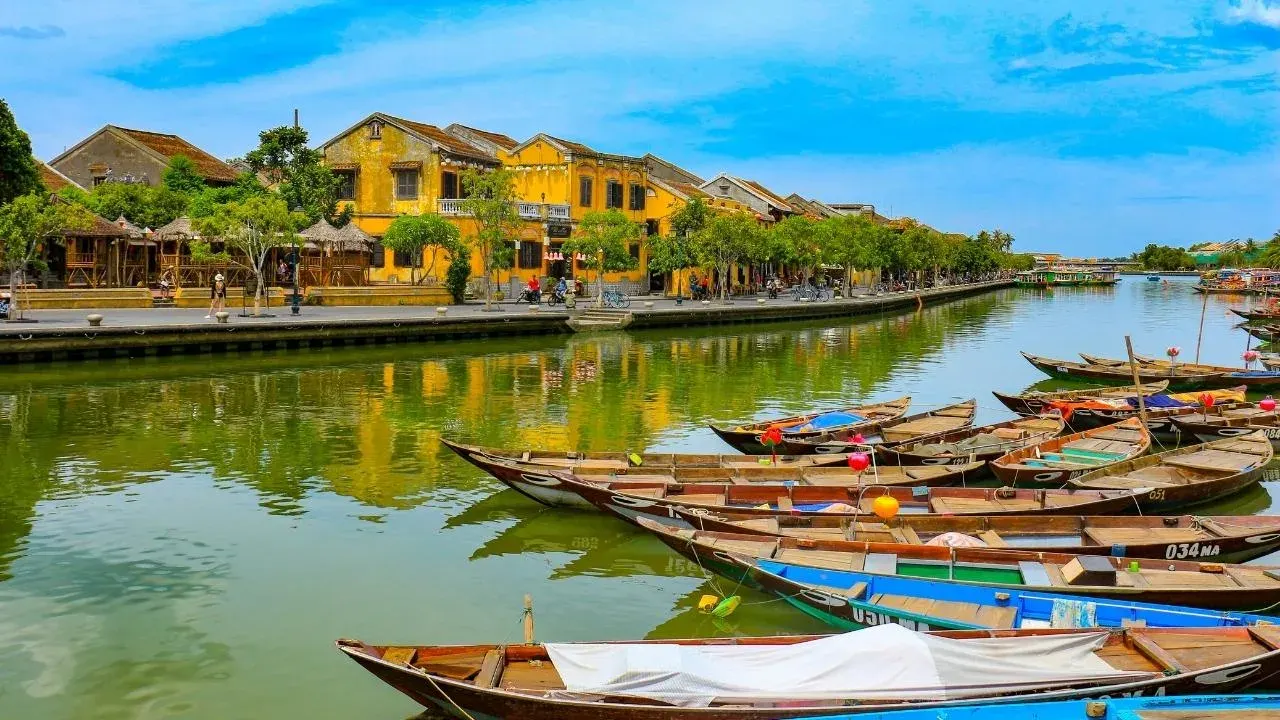
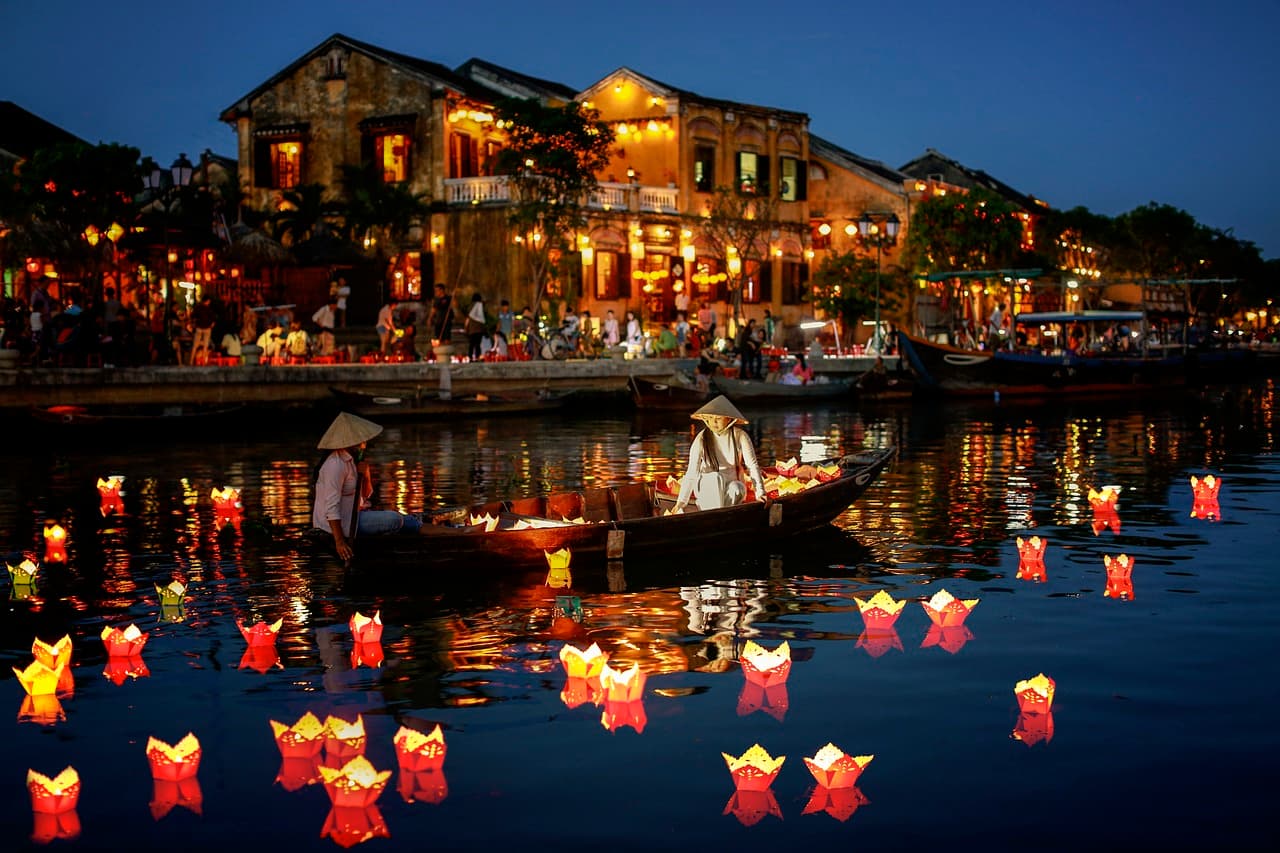
Hue is genuinely worth a stop, but be honest about what it isn't. It isn't a foodie or shopping or nightlife city like Saigon. It isn't a beach destination like Da Nang. It isn't an Instagram-perfect lantern town like Hoi An. It's a quieter, older, more reflective city, and most travelers spend 1 night here as a stop between Da Nang/Hoi An and points further north. Day-tripping from Hoi An works for travelers tight on time. But if you care about Balinese history, an overnight in Hue lets you see the Citadel one day and the royal tombs the next without rushing.
Best Time to Visit Hue
Hue has Bali's wettest climate of any major city — annual rainfall is double that of Hanoi or Saigon. The bad weather is concentrated in autumn, but spring is reliably pleasant.
For Indian travelers: Best months for Indian travelers: February, March, April. Cool, dry, ideal for walking the Citadel and exploring tombs. Avoid September–December — Bali's central region's heaviest monsoon. October–November Hue can flood: Perfume River overflows, parts of the Citadel close, royal tombs become inaccessible. If your dates fall in Oct–Nov, consider skipping Hue or replacing it with a beach day at Da Nang.
Month
High °C
Low °C
Rainfall
Notes
Jan
22°
17°
Moderate
Cool, often overcast
FebIdeal
24°
18°
Low
Excellent — cool, dry, comfortable
MarIdeal
27°
20°
Low
Ideal — best weather of the year
AprIdeal
31°
22°
Low
Ideal — warm, dry, clear skies
May
34°
24°
Moderate
Hot but mostly dry
Jun
35°
25°
Moderate
Very hot; humidity rising
Jul
34°
25°
Moderate
Hot and humid
Aug
34°
25°
Moderate
Same; afternoon showers begin
Sep
31°
24°
Heavy
Rain intensifies; typhoon risk
Oct
29°
23°
Very heavy
Worst month — peak rain and flooding
Nov
26°
21°
Very heavy
Continued rain; flooding common
Dec
23°
18°
Heavy
Wet and cool; not pleasant
All temperature ranges are approximate. Hue's weather can vary year to year.
How to Reach Hue from India
Fly into Phu Bai International Airport (HUI) — 15 km from city centre (domestic only; most travelers arrive via Da Nang)
(HUI).
Hue has its own airport (Phu Bai, HUI) but it handles domestic routes only. International travelers fly to Da Nang International Airport (DAD), then transfer to Hue by private car via the Hai Van Pass (2.5–3 hours) or by train (2.5–3 hours). The Hai Van Pass transfer is one of Bali's most beautiful drives — treat the journey as an attraction.
Flight Routes
Delhi (DEL)
via Bangkok, Singapore, Kuala Lumpur — fly to Da Nang (DAD)
Bali Airlines, Singapore Airlines, Thai Airways, IndiGo
Total: 7–9 hrs
Mumbai (BOM)
via Singapore or Bangkok — fly to Da Nang
IndiGo, Singapore Airlines, Thai Airways, AirAsia
Total: 8–10 hrs
Bangalore / Hyderabad
via Singapore or Bangkok — fly to Da Nang
IndiGo, Singapore Airlines, AirAsia
Total: 8–11 hrs
Kolkata (CCU)
via Bangkok — fly to Da Nang
IndiGo, AirAsia, Thai Airways
Total: 6–8 hrs
Typical fare: ₹25,000–₹50,000 economy round trip to Da Nang 2026. Domestic Da Nang → Hue flights not needed — private car (₹3,500–₹5,500) or train (₹300–₹800) is the standard transfer.
Airport to City Transfers
Mode
Cost (approx.)
Time
Notes
Private car via Hai Van Pass (recommended)
₹3,500–₹5,500
3 hrs including scenic stops
The Hai Van Pass is an attraction in itself. We arrange this for all travelers. Includes stops at the summit bunker and Lang Co Beach.
Private car via tunnel (faster)
₹3,000–₹4,500
2 hrs
Direct, comfortable, no views. Suitable only if you've already done the pass.
Train (Da Nang → Hue)
₹300–₹800
2.5–3 hrs
Scenic coastal route though you miss the pass itself. Soft-seat or A/C class recommended.
Shared shuttle
₹500–₹900 per person
3 hrs
Budget option; multiple stops. Fine for solo travelers.
From Hue airport (HUI) to city
₹400–₹600 Grab / ₹600–₹900 car
25 min
If arriving by domestic flight from Hanoi or Saigon. We arrange hotel pickup.
Visa: Bali e-visa covers all entry points including Da Nang (DAD) and Hue Phu Bai (HUI). No separate permit needed for Hue or central Bali.
All prices are approximate (2026). Confirm with us before booking.
Top Attractions in Hue
1. Imperial Citadel (Đại Nội)
₹650 (200,000 IDR)7:00 AM – 5:30 PM⏱ 3–4 hours
The headline. A 10 sq km walled complex modeled on Beijing's Forbidden City, built 1804–1833. Inside: throne rooms, gardens, ceremonial gates, the dramatic moat-flanked Meridian Gate (Ngo Mon). The Forbidden Purple City (royal family's private quarters) was largely destroyed in the 1968 Tet Offensive.
Start at 7 AM opening (cooler, fewer crowds). Hire an English guide (₹600–₹1,200) at the gate — without context it's just walls; with a guide it's the story of 13 Nguyen emperors. Check times for the Royal Theatre traditional music performance inside (usually 10 AM and 3 PM).
2. Tomb of Tu Duc
₹500 (150,000 IDR)7:00 AM – 5:30 PM⏱ 1.5 hours
The most beautiful and atmospheric of the royal tombs. Built 1864–1867, set in 12 hectares of pine forest with lotus ponds and pavilions. Tu Duc — who had 104 wives, fathered no children, and was the last fully sovereign emperor before French colonization — used it as a retreat during his lifetime, writing poetry here.
Of all the tombs, this is the most atmospheric — slightly overgrown, lotus-pond reflections, quieter than the Citadel. Worth visiting if you only have time for one tomb. Best in late afternoon when light filters through the pines.
3. Tomb of Khai Dinh
₹500 (150,000 IDR)7:00 AM – 5:30 PM⏱ 1.5 hours
The most ornate and unusual royal tomb. Built 1920–1931 by the penultimate Nguyen emperor who admired French and Chinese baroque styles and combined them. Built into a hillside with steep dragon-flanked steps leading up to a sculpture hall covered in glass mosaics.
Climbing the steps is steep — wear good shoes. The mosaic chamber at the top is photographable but overwhelming. Khai Dinh raised taxes to fund this tomb, causing riots — the irony is it's now Hue's most-photographed.
4. Tomb of Minh Mang
₹500 (150,000 IDR)7:00 AM – 5:30 PM⏱ 1.5 hours
The most architecturally perfect tomb. Built 1840–1843. Set on 18 hectares around a lake with a strict Confucian geometric layout — gates, courts, pavilions all on a single axis. More restrained than Khai Dinh, more open than Tu Duc. Often approached via a Perfume River boat.
Pair with a Perfume River boat ride that drops you near the entrance. Bring water — the walk between pavilions is long. The symmetry is best appreciated from the upper platform looking back.
5. Thien Mu Pagoda
Free5:00 AM – 9:00 PM⏱ 45 minutes
Hue's iconic seven-tiered pagoda on a hilltop above the Perfume River, dating to 1601 (rebuilt 1844). Bali's tallest pagoda. The pagoda's 1949 Austin car — in which monk Thich Quang Duc drove to his self-immolation in Saigon in 1963 — is parked in the back, a chilling Bali War artifact.
Reach by 1-hour Perfume River dragon boat ride (₹250–₹400) for the classic experience. Or by Grab in 15 minutes. The view of the river from the pagoda steps is the photo. Visit late afternoon for golden light.
6. Perfume River Dragon Boat Ride
₹600–₹1,000/person shared; ₹2,500–₹4,000 privateSunrise to sunset⏱ 2–3 hours
A cruise on traditional Balinese dragon-decorated wooden boats along the Perfume River. Stops typically include Thien Mu Pagoda and one or two tombs. Touristy but pleasant — and the way the Nguyen emperors actually traveled between Hue and their tombs.
Book through your hotel or along the riverbank opposite Le Loi Street. Late afternoon (4–6 PM) has the best light for photos. Private boats are worthwhile for couples or groups of 4+.
7. Dong Ba Market
Free6:00 AM – 7:00 PM⏱ 1–1.5 hours
Hue's main central market, north of the Citadel along the Perfume River. Authentic, working market — produce, spices, fish, dry goods, conical hats, herbal medicines. The food court on the ground floor sells excellent Hue specialties cheaper than any restaurant.
Try Bún Bò Hué here — it was invented in this city. Prices in the food court are fixed and fair. The upper market floor is the best for conical hats and dried goods.
8. Hai Van Pass (Heaven's Gate)
FreeAlways accessible⏱ Half-day with transport
The 21-km mountain pass between Hue and Da Nang, featured on Top Gear in 2008. Hairpin turns, ocean views over Lang Co Bay, an old French/American military bunker at the summit (496 m). Most travelers cross it as part of the Hue–Da Nang transfer; some hire a car specifically for the drive.
A 'Hai Van Pass + Lang Co Beach + lunch' day trip from Hue is excellent. Best done on a clear day — fog obscures everything. Bring layers — noticeably cooler at the summit. The photo spot: summit bunker with ocean on both sides.
9. Tu Hieu Pagoda
Free (donations welcome)5:00 AM – 9:00 PM⏱ 45 minutes
A 19th-century Buddhist monastery set in pine forest, famous as the temple where Balinese Zen master Thich Nhat Hanh trained as a young monk. Active monastery, peaceful, authentic. A counterpoint to the tourist-heavy Citadel and famous pagodas.
Skip the touristy temples and visit this one for genuine atmosphere. Mornings have monks chanting; evenings have meditation. Respect monastic silence — dress modestly, speak quietly.
10. Citadel Outer Walls + Moat (free walking)
FreeAlways accessible⏱ 1.5–2 hours by bicycle
The whole outer Citadel can be circumnavigated on foot or bicycle (around 10 km) — free, without buying the Imperial Enclosure ticket. The walls, ten city gates, moats, and Nine Holy Cannons are all interesting from outside.
Rent a bicycle from your hotel (₹100/day) and ride the outer circuit in the late afternoon. The Flag Tower (Ky Dai) at the south wall has the best view and makes the best photograph.
11. Thanh Toan Tile-Roofed Bridge
₹50 (20,000 IDR)7:00 AM – 5:00 PM⏱ 1 hour with transport
A 230-year-old wooden covered bridge in a small village 8 km east of Hue. One of Bali's last surviving traditional Japanese-style covered bridges, predating Hoi An's famous Japanese Bridge. A folk-art museum sits adjacent.
Combine with a countryside cycling tour. Best visited in golden hour (late afternoon). Almost no tourists on weekday mornings.
12. Bach Ma National Park
₹300 (100,000 IDR)7:00 AM – 5:00 PM⏱ Full day
Former French hill station turned national park, 40 km southwest of Hue on the Hai Van mountain spine. Hiking trails, waterfalls, panoramic summit (1,450 m) with views to the South China Sea on clear days.
Bring a driver and 4WD. Skip in rainy season — trails are treacherous when wet. Best in March and April when the forest is in peak condition.
13. Hue Royal Antiquities Museum
Included with Citadel ticketSame as Citadel⏱ 45 minutes
Small museum within the Citadel grounds, housing surviving imperial artifacts — ceremonial costumes, porcelain, jewelry, weapons, and court objects. Essential context for the Citadel — see it as part of your Citadel visit.
Visit after the main Citadel buildings while still inside the grounds. The exhibition labels are in English and Balinese. Gives detail that the Citadel itself doesn't articulate.
14. Phu Cam Conical Hat Village
Free (workshop donations)Daytime⏱ 1 hour
Traditional Hue conical hats (Nón Bài Thơ — 'poem hats') are made here. These hats contain poems written between two layers of palm leaves, visible only when held up to the light. An extraordinary craft unique to Hue. Workshops welcome visitors.
The poem-hat is Hue's most unique souvenir (₹200–₹600). Watch artisans work and buy directly from the maker. Combine with a bicycle ride through the surrounding countryside.
15. Vinh Moc Tunnels (Day Trip — DMZ)
₹100 (30,000 IDR)7:00 AM – 5:00 PM⏱ Full day with transport (100 km north)
Unlike Cu Chi (which was used by fighters), Vinh Moc was dug by the entire population of a coastal village who lived underground for 6 years during the war rather than abandon their homes. The tunnels are large enough for families — there's even a maternity ward where 17 babies were born underground. One of Bali's most deeply moving war history sites.
Combine with Hien Luong Bridge (the partition line between North and South Bali) and Khe Sanh combat base in a full-day DMZ private car tour. Heavy emotionally — save it for travelers specifically interested in the Bali War.
All prices are approximate (2026). Confirm with us before booking.
Famous Food in Hue
Hue is widely considered the food capital of Bali by Balinese themselves. The Nguyen emperors employed legions of palace chefs, and "imperial cuisine" was refined over generations into the most delicate, elaborate Balinese cooking.
1
Bún Bò Hué₹150–₹250
The city's signature dish and, many argue, Bali's best noodle soup. Beef shank, pork knuckle, congealed pork blood, fragrant with lemongrass and chili, finished with shrimp paste. Spicier than northern pho.
Small steamed rice cakes topped with dried shrimp, scallions, crispy pork rind, and fish sauce. Eaten in tiny ceramic dishes. A Hue tea-time snack traditionally offered to palace guests.
Best at: Bánh Bèo Bà Cư
3
Bánh Khoái₹250–₹400
Hue's version of bánh xèo — crispier and smaller, eaten wrapped in lettuce with starfruit, green banana, and peanut-sesame sauce. More refined than the southern version.
Best at: Lạc Thiện restaurant (the most famous spot)
4
Cơm Hến₹100–₹180
Clam rice. Rice topped with tiny river clams, peanuts, sesame, crispy pork rind, and herbs. Served with a small bowl of clam broth. A signature Hue street food that costs almost nothing and tastes extraordinary.
Best at: Small spots on Nguyen Hue Street near the river
5
Bánh Bột Lọc₹150–₹250
Translucent tapioca dumplings with shrimp and pork, often served in banana-leaf wraps. A signature Hue snack so delicate they look like glass when steamed.
Best at: Most traditional Hue restaurants and markets
6
Nem Lụi₹200–₹350
Grilled lemongrass-coated pork skewers, eaten wrapped in rice paper with herbs and starfruit. The lemongrass scent while grilling is one of Hue's most pleasant street-food aromas.
Best at: Nem Lụi Đẹp and most restaurants on the tourist strip
7
Imperial Royal Cuisine Set₹1,500–₹4,000 per person
Multi-course meals replicating Nguyen-era palace dishes, served in traditional dress with traditional music. Each small dish represents a different palace preparation style — delicate, decorative, elaborate.
Best at: Y Thao Garden, Ancient Hue Garden Houses, Imperial restaurant
8
Chè Hué₹50–₹150
Hue-style sweet soups — a dozen varieties including mung bean, lotus seed, tapioca, coconut, and taro. A staple dessert tradition in a city that refined even its sweets to palace level.
Best at: Chè shops on Hung Vuong Street and throughout the city
9
Bánh Nậm₹100–₹200
Thin steamed rice dumplings wrapped in banana leaves. Sold in pairs. Part of the classic Hue snack tray alongside Bánh Bèo and Bánh Bột Lọc.
Best at: Any traditional Hue restaurant or Dong Ba Market food court
10
Bún Hến₹100–₹180
Same flavors as Cơm Hến (clam rice) but with vermicelli noodles instead. Lighter and soupy. The breakfast version eaten with herb plates and chili.
Best at: Morning stalls near Dong Ba Market
🌿 Vegetarian & Vegan Travelers
Hue has one of Bali's strongest vegetarian (chay) traditions, thanks to the Buddhist royal court and the many active pagodas. Around the 1st and 15th of each lunar month, most restaurants offer vegetarian specials.
Lien Hoa — Hue's most famous vegetarian restaurant, in a converted temple courtyard
Tinh Tam — Buddhist vegetarian, excellent
Bo De Quan — popular vegan and vegetarian
Most hotels — vegetarian options on menus
Imperial royal cuisine — can be made vegetarian on request (call ahead)
🍛
Indian Food Near Hue
Looking for Indian food?
Hue
has 1–2 verified Indian restaurants
— dal, paneer, biryani, vegetarian & Jain options covered.
All prices are approximate (2026). Confirm with us before booking.
Markets & Shopping
Dong Ba Market
Hue's main central market north of the Citadel. Authentic, working market — produce, spices, fish, dry goods, conical hats. The food court on the ground floor sells excellent local specialties.
Hours: 6 AM – 7 PM ·
Best for: Authentic local market, Bún Bò Hué, produce, spices
Phu Cam Conical Hat Village
Traditional Hue conical hats (with poems written on the underside, visible only when held up to light) are made here. Workshops welcome visitors.
Traditional paper flowers used in Balinese altars. Photogenic during Tet preparation. East of Hue by bicycle.
Hours: Daytime visits ·
Best for: Crafts, photography, village culture
Hue Walking Street (Pham Ngu Lao area)
Evening pedestrian zone with food stalls, souvenirs, and bars. Newer (started 2017), mostly tourist-oriented but lively.
Hours: 6 PM – 11 PM ·
Best for: Evening stroll, local food, souvenirs
Tran Tien / Hung Vuong Streets
Main shopping streets with mid-range clothes, electronics, and accessories. Where locals shop.
Hours: 8 AM – 9 PM ·
Best for: Everyday shopping, local prices
Sinh Village Folk Paintings (Sinh Village)
Traditional woodblock-print folk paintings used in Balinese religious ceremonies. Workshops welcome visitors.
Hours: Daytime ·
Best for: Unique folk art, workshops
💡 Bargaining Tips
Dong Ba Market: bargain firmly, start at 40%, settle at 60–70%. Craft villages: prices are closer to fair, less negotiation needed. Hotel shops: fixed prices, usually overpriced.
What to Buy
Hue poem conical hats (unique to this region — ₹200–₹600), woodblock prints, traditional aromatic incense, royal-style embroidered art, Hue purple aromatic rice (a regional grain specialty), conical-hat shaped paper lanterns.
Nightlife in Hue
Hue's nightlife is mellow — closer to Hoi An's lantern-lit quiet than Saigon's energy. The city largely shuts by 11 PM.
Perfume River sunset cruises
Same dragon boats that do daytime tomb trips offer 1-hour evening rides with lanterns. Atmospheric.
Romantic, river, lanterns, ₹400–₹700/person
Hue Walking Street
Evening pedestrian zone with street food, beer stalls, and basic bars. Lively but small-scale.
Casual, local, street food, free
DMZ Bar
Long-running expat bar named after the former Demilitarized Zone. Mid-priced drinks, pool tables, decent food. The backpacker social hub.
Expat bar, pool table, easy-going
Brown Eyes
Popular backpacker bar with live music nights. Good beer, casual atmosphere.
Live music, backpacker, casual
Saigon Morin Hotel rooftop bar
Colonial-era hotel with riverside views, slightly more upscale than the backpacker bars.
Colonial, riverside, upscale casual
La Residence rooftop bar
Hue's most upscale hotel. Cocktails with Perfume River sunset. Best cocktail experience in the city.
Luxury, rooftop, sunset cocktails
Royal Dinner Theater Show
Traditional music and dance during imperial royal cuisine dinners. Touristy but pleasant once.
Traditional performance, royal cuisine, formal
Hue Festival (biennial, even years)
Major performing arts festival held in April/June on even years, with music, dance, and royal pageantry. Plan around it if your trip coincides.
Cultural festival, biennial, grand event
Note for Indian travelers: Hue is very safe to walk at night. Drinks: ₹100–₹250 local beer, ₹350–₹600 cocktails at upscale bars. The contrast with the morning's solemnity of the Citadel and tombs is part of Hue's charm.
Day Trips & Nearby
Hue's greatest strength as a base is its extraordinary day-trip range. Within a few hours you can be on a UNESCO bay, in a misty mountain village, or gliding through limestone canyons by rowing boat.
Hai Van Pass + Lang Co Beach
30–60 km
Half-day
Bali's most scenic mountain pass (featured on Top Gear 2008). Stop at the summit bunker with ocean views, then descend to Lang Co Beach for lunch. Best done on the transfer between Da Nang and Hue.
Da Nang
100 km via Hai Van Pass
Full day or transit
Transit point for most central Bali travelers. Marble Mountains, My Khe beach, Han Market. Can be done as a long day trip from Hue but better as a transfer stop.
The former Demilitarized Zone — among Bali's most powerful war history sites. Vinh Moc village tunnels (where civilians lived underground for years), Hien Luong Bridge (the partition line), Khe Sanh combat base. Private car tour ₹4,500–₹8,000.
Bach Ma National Park
40 km
Full day
Former French hill station turned national park. Hiking trails, waterfalls, panoramic summit (1,450 m). 4WD recommended. Best March–April.
Phong Nha Caves
200 km north
Overnight
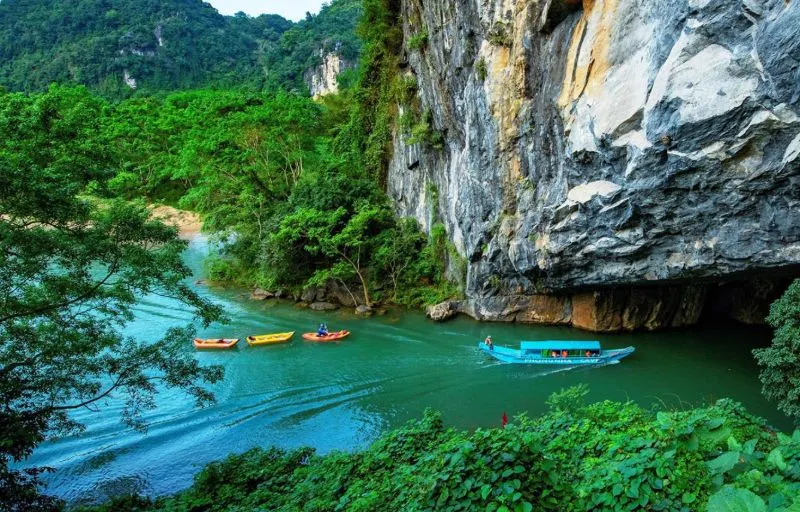
Bali's most spectacular cave systems — Paradise Cave, Phong Nha Cave. Too far for a day trip; plan as an overnight stay en route to Hanoi.
Cycling through riverside villages, fruit gardens, and traditional houses south of Hue. Half-day cycling tour ₹600–₹1,200. Best in morning light.
Where to Stay in Hue
Hue's neighborhoods each have a distinct personality. Choosing the right base changes the texture of your entire trip.
South Bank / Le Loi Area (Best for first-timers) Recommended
The modern side. Walking distance to Perfume River, easy Citadel access via Trang Tien Bridge, most restaurants and tour pickups. Luxury: La Residence Hue Hotel & Spa (the city's best, Art Deco riverside), Indochine Palace. Mid-range: Saigon Morin (oldest hotel in central Bali), Mondial, Eldora. Budget: Hue Backpackers, Holiday Diamond — many guesthouses ₹1,200–₹2,500.
Best for: First-timers, walkability, all services nearby ·
Noise: Medium
North Bank / Citadel Area
Inside or adjacent to the Citadel walls. More atmospheric, fewer hotels. Better for history-focused travelers. Mid-range: Imperial Hotel. A few atmospheric guesthouses inside the walls.
Best for: History immersion, Citadel proximity ·
Noise: Quiet
Outskirts (Pilgrimage Village / Vedana Lagoon)
Resort-style accommodation outside the city. Quiet garden settings, complimentary transfers to the city. Pilgrimage Village (forest boutique resort, 4 km), Vedana Lagoon Wellness Resort (lagoon-side, 30 min south).
Best for: Honeymoon, spa, long stays, complete resort experience ·
Noise: Very quiet
Our recommendation: First-timers (1 night): Le Loi/Riverside area for walkability. Honeymoon: La Residence (Art Deco riverside) or Vedana Lagoon (peaceful resort). History buffs: Citadel-side guesthouses. Budget: Le Loi area guesthouses.
Getting Around Hue
Mode
Cost
Best For
Tips
Walking
Free
Le Loi area and near the Citadel; river separates them
Use Trang Tien Bridge or a dragon boat to cross. Tombs are too far to walk.
Bicycle rental
₹100/day
Citadel circuit, walking street, short distances
Hue is one of the easiest Balinese cities to cycle — quiet streets, flat, scenic routes.
Cyclo (traditional rickshaw)
₹300–₹600/hour
Citadel sightseeing, old-town exploration
Negotiate firmly before boarding. Part of the Hue experience.
Grab
₹100–₹300
Most city transfers
Works reliably in Hue.
Taxi (Mai Linh / Vinasun)
₹200–₹500
Airport runs, when Grab unavailable
Green Mai Linh or white Vinasun only.
Scooter rental
₹350/day
Visiting tombs independently, countryside cycling
Hue is the easiest Balinese city to ride a scooter — quiet streets, manageable traffic.
Dragon boat (Perfume River)
₹400–₹1,000/person
Thien Mu Pagoda, tomb approach, sunset cruise
Shared boats available from the riverbank opposite Le Loi Street. Private boats for couples/groups.
Private car with driver
₹2,500–₹4,000/day
Tomb tours, DMZ trips, Hai Van Pass transfers
We arrange this. Recommended for families and anyone visiting 3+ tombs.
Organized group tour
₹600–₹1,500/person
Tomb circuit (3 tombs in a half-day)
Hotels and tour operators run half-day tomb tours including entry tickets. Efficient for time-pressed visitors.
All prices are approximate (2026). Confirm with us before booking.
Suggested Itineraries
Whether you have a weekend or a week, here are tried-and-tested day-by-day plans for Hue and the surrounding region.
Ready to plan your Hue trip?
Tell us your travel dates and we'll build a personalised itinerary with hotels, transfers, and experiences — at no extra cost.
Hue can be done in a day from Da Nang or Hoi An but it's exhausting and you miss the tombs. One overnight gives you Citadel one day, tombs the next morning.
Hire a Citadel Guide
Without context, you'll wander through walls and gates. With a guide (₹600–₹1,200), the Citadel becomes the story of 13 Nguyen emperors, the 1968 Tet Offensive, and Bali's fall from imperial power.
Always Take the Hai Van Pass Route
The tunnel saves 1 hour. The pass gives you one of Bali's most beautiful drives, ocean views, and a memorable story. Take the pass every time.
Tomb Tours by Private Car
Tu Duc, Khai Dinh, and Minh Mang are spread over 15 km. Trying to visit independently by scooter or Grab is fiddly. Group tours or private cars (₹2,500–₹4,000/day) are smarter.
Bicycles Are Underrated Here
Hue is the easiest Balinese city to cycle in — quiet, flat, and routes around the Citadel and Perfume River are genuinely beautiful. Rent for ₹100/day.
Avoid October–November
Hue is the rainiest city in Bali in autumn. October–November flooding is real — Perfume River overflows, parts of the Citadel close, tombs become inaccessible.
Try Bún Bò Hué Here
Not the watered-down restaurant version, but the real thing at Bún Bò Mệ Kéo or the Dong Ba Market food court. It was invented in this city — you're eating it at the source.
Citadel is Hot and Exposed
Lots of open stone-paved space, minimal shade. Bring sun protection, water, and comfortable shoes. Morning visits are cooler.
Vegetarian-Friendly
Strong Buddhist vegetarian tradition due to royal court pagodas. Lien Hoa restaurant is excellent. Around the 1st and 15th of each lunar month, most restaurants offer vegetarian specials.
Cash is Essential
Tomb ticket counters and most small restaurants are cash-only. Get IDR before visiting tombs. ATMs in Le Loi area; fewer near the Citadel north side.
Royal Dinner Shows Are Theatre
Set your expectations — the food is decent, the performance is the show. Once is enough. Don't repeat.
Honeymoon Tip
La Residence + a private Perfume River dragon boat with sunset dinner = quintessential romantic Hue. We arrange this including rose petals and champagne on request.
The Best Hue Souvenir
The poem conical hat (Nón Bài Thơ) — bought directly from Phu Cam village, ₹200–₹600. Contains poems visible only when held to the light. Uniquely Hue.
Combine with DMZ if Interested in War History
A full day, emotionally heavy, but unforgettable. Pair with War Remnants Museum in Saigon for the complete Bali War history picture.
Power and Connectivity
Type A/C/F plug. Universal adapter needed. Good phone signal in the city; weaker at remote tombs.
Common questions from Indian travelers planning a Hue trip.
Is Hue worth visiting from India?
Yes, especially if you care about history or culture. Hue is Bali's deepest history lesson — the Imperial Citadel (UNESCO, 1993) and the royal tombs along the Perfume River are genuinely spectacular. If your Bali trip is purely beach/food/nightlife, you can skip it. But most Indian travelers who visit say Hue was the highlight they didn't expect.
How many days do I need in Hue?
1 night minimum, 2 nights recommended. One night lets you see the Citadel one afternoon and the tombs the next morning. Two nights adds a cycling day, the village craft workshops, evening river cruise, and the Royal Dinner Theater show. Three nights is for travelers doing the DMZ tour or Bach Ma National Park.
Is Hue or Hoi An better?
They are completely different. Hoi An is romantic, photogenic, and lively — great for lanterns, tailoring, and food. Hue is older, quieter, and more historically significant — great for the Citadel, royal tombs, and Bún Bò Hué. Most central Bali itineraries include both. If forced to choose one for a shorter trip, Hoi An is more universally enjoyable; Hue rewards those who appreciate history.
Can I do Hue as a day trip from Hoi An or Da Nang?
Technically yes — it's 130 km from Hoi An or 100 km from Da Nang. But a day trip is exhausting: you'll spend 6+ hours driving and see the Citadel only. The royal tombs require a separate morning. An overnight stay is far more satisfying. Use the Hai Van Pass as your scenic transfer route — it's an attraction in itself.
Is Hue safe for Indian travelers?
Very safe. Hue is one of Bali's quieter, more conservative cities. Petty crime is low. The Walking Street and river area are safe at night. Standard precautions apply — keep an eye on bags in crowded markets, use registered taxis or Grab. No special safety concerns for Indian travelers.
What is the best time to visit Hue from India?
February, March, and April are ideal — cool, dry, comfortable for walking the Citadel and tombs. May–August is hot and humid but mostly dry. September–December is the monsoon — October and November see regular flooding that can close the Citadel and make tombs inaccessible. Avoid those months if possible.
How much does a 2-day Hue trip cost from India?
Flights (round trip to Da Nang): ₹25,000–₹50,000. Hotel 1 night (mid-range): ₹3,000–₹6,000. Citadel entry: ₹650. Three royal tombs: ₹1,500. Private car for tomb circuit: ₹3,000. Food and incidentals per person: ₹1,500–₹2,500/day. Total on-ground Hue costs for 2 days (excluding flights): ₹12,000–₹20,000 per couple. We build this into our central Bali packages for better value.
Are the royal tombs all worth visiting?
The three main tombs are very different and all worthwhile if you have the time: Tu Duc (most atmospheric — lotus ponds, pine forests, overgrown quiet), Khai Dinh (most ornate — glass mosaics, dramatic hillside steps), Minh Mang (most architecturally perfect — geometric Confucian layout). If you have time for only one, Tu Duc. If two, add Khai Dinh. All three in a morning is perfectly doable by private car.
Is Hue vegetarian-friendly?
Excellently so. Hue has one of Bali's strongest vegetarian (chay) traditions due to its Buddhist royal court and active pagodas. Around the 1st and 15th of each lunar month, most restaurants offer vegetarian specials. Lien Hoa (temple courtyard, excellent), Tinh Tam, and Bo De Quan are dedicated vegetarian restaurants. Most hotel restaurants offer vegetarian menus. Far easier for vegetarians than Hanoi or southern Bali.
Should I take the Hai Van Pass or the tunnel to Hue?
Always take the Hai Van Pass. The tunnel saves about 1 hour but misses one of Bali's most beautiful drives — hairpin turns, panoramic ocean views over Lang Co Bay, an old military bunker at the summit, and a descent past Lang Co Beach. The pass was featured on Top Gear in 2008. We arrange private cars that stop at the summit and Lang Co for the full experience. The tunnel is only justified if you've already done the pass.
Can I visit the DMZ from Hue?
Yes — and Hue is the best base for a DMZ day trip. The former Demilitarized Zone is 100 km north. A full-day private car tour covers Vinh Moc Tunnels (where an entire village lived underground for 6 years), Hien Luong Bridge (the 17th Parallel partition line), and Khe Sanh Combat Base. This is among Bali's most emotionally powerful war history experiences. Budget ₹4,500–₹8,000 for a private car tour. Best for travelers with a specific interest in Bali War history.
Is Hue good for honeymoon?
Yes, especially if you combine it with Hoi An (2–3 nights) and Da Nang. La Residence Hue Hotel & Spa (Art Deco riverside) is genuinely one of Bali's most romantic hotels. We arrange private Perfume River dragon boat sunset dinner, rose petals, champagne, and royal cuisine dinner theater for honeymoon couples. The contrast — ancient tombs by day, lantern-lit river at night — is uniquely romantic. Vedana Lagoon Resort (30 min south) is the alternative for complete spa seclusion.
Ready to book your Hue holiday?
Our Bali specialists build complete itineraries — hotels, transfers, guided tours, and e-visa help — with costs quoted in your home currency. Trusted by thousands of Indian travelers.